You Won’t Believe What Liverpool’s Festivals Are Hiding
If you think Liverpool is just about football and The Beatles, you’re in for a wild surprise. I went there last summer chasing vibes, not guidebooks, and stumbled into a city that transforms during festival season. Streets pulse with music, art spills onto walls, and strangers become dance partners by midnight. This isn’t just celebration — it’s full-on cultural electricity. Let me take you behind the scenes of Liverpool’s most viral festival moments, where every corner has a rhythm and every experience feels like it was made for your next Instagram story. From drum circles in sunlit parks to underground soundscapes beneath industrial arches, Liverpool doesn’t just host festivals — it lives them. And if you’re a woman in your thirties, forties, or beyond, seeking connection, inspiration, and a touch of magic in your travels, this city speaks directly to your soul.
The Pulse of the City: Why Liverpool’s Festival Scene Is Going Viral
Liverpool’s festival culture has quietly exploded into a global phenomenon, fueled not by expensive ad campaigns but by the raw, shareable energy of real human connection. Every year, more travelers arrive not because of brochures, but because they saw a 15-second clip on social media — a woman laughing as she dances barefoot to Afrobeat in Sefton Park, or a crowd singing “Hey Jude” in unison under golden festival lights. These moments feel authentic, and authenticity travels fast. The city’s openness, creativity, and fearless self-expression make it a magnet for content that resonates emotionally, not just visually.
What sets Liverpool apart is its cultural confidence. It doesn’t imitate; it innovates. Festivals here are not curated for tourists — they emerge from the community, shaped by local artists, musicians, and organizers who care deeply about inclusivity and artistic freedom. This organic energy is contagious. Whether it’s a poetry reading in a converted warehouse or a pop-up gospel choir in a train station, these events feel spontaneous and genuine. That’s why people keep sharing them. The city pulses with a rhythm that invites participation, not observation. You don’t watch the festival — you become part of it.
The blend of tradition and modernity also plays a key role in Liverpool’s appeal. Heritage is honored, not preserved behind glass. The Beatles’ legacy isn’t frozen in time — it’s reinterpreted through modern performances and interactive exhibits. Similarly, historic buildings become stages for experimental art. This balance makes the city feel alive, not like a museum. For travelers, especially women seeking meaningful experiences beyond shopping and sightseeing, this dynamic atmosphere offers something rare: a place where history dances with the present, and where every festival feels like both a celebration and a conversation.
Beatles Day: More Than a Nostalgia Trip
Every June, Mathew Street transforms into a pilgrimage site for music lovers from around the world. What began as a modest tribute to The Beatles has grown into a full-scale festival known as Beatles Day, drawing tens of thousands to the narrow cobbled street where the band once played in the Cavern Club. But this is no ordinary nostalgia event. It’s a living, breathing celebration that bridges generations. Grandparents dance beside teenagers who’ve only discovered The Beatles through their parents’ playlists, united by the timeless power of melody and memory.
The heart of the festival beats strongest at the Cavern Club, where tribute bands perform hour after hour, recreating the energy of the 1960s with remarkable authenticity. But the magic spills far beyond the club’s walls. Flash mobs break out spontaneously — a group of singers gathering on a street corner to perform “All You Need Is Love,” drawing in passersby who quickly join in. Vinyl markets pop up along the side streets, offering rare pressings and vintage memorabilia. At the docks, a massive sing-along concert turns the waterfront into a sea of swaying phones and smiling faces as “Let It Be” echoes across the Mersey.
What’s most surprising is how deeply this retro-themed festival resonates with younger audiences. It’s not just about looking back — it’s about connection. Schools across the city prepare for weeks, teaching students about The Beatles’ music and cultural impact. Local radio stations run “Name That Tune” contests. Art students create installations inspired by album covers. The festival has become a shared cultural moment, not a relic. For visiting families, it’s a rare opportunity to bond over music that transcends age. And for solo travelers, especially women who grew up with these songs, it’s a comforting reminder of joy, resilience, and the power of simple harmonies.
Africa Oyé: A Burst of Sound, Color, and Community
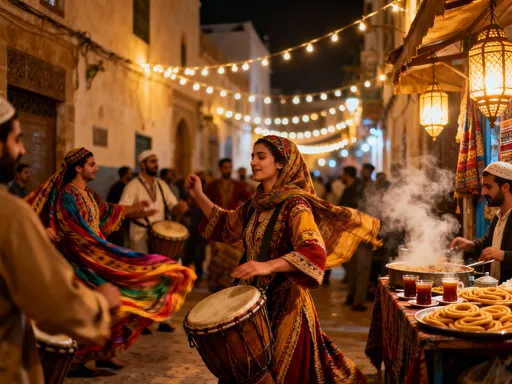
Each summer, Sefton Park becomes a vibrant stage for Africa Oyé, the UK’s largest free festival celebrating African and Caribbean music and culture. Spanning two days, the event draws over 70,000 visitors, transforming the green expanse into a kaleidoscope of sound, flavor, and movement. From the first drumbeat at noon to the final dance under the stars, the air hums with energy. Women in flowing Ankara prints twirl beside children wearing handmade bead necklaces, while the scent of jerk chicken, plantain, and spiced rice fills the breeze.
The music is the soul of Africa Oyé, featuring everything from highlife and Afrobeat to reggae and dancehall. Performers come from across the continent and the diaspora, bringing rhythms that make it impossible to stand still. Drum circles form organically, inviting newcomers to pick up a djembe and join in. Dance workshops teach steps from Nigeria, Ghana, and Jamaica, led by instructors who emphasize joy over perfection. For many attendees, especially those with African or Caribbean heritage, the festival is a powerful affirmation of identity. For others, it’s a joyful education — a chance to experience cultures often underrepresented in mainstream UK events.
Beyond the performances, the festival is a feast for the senses. Food stalls line the pathways, offering authentic dishes prepared by local chefs and community groups. You’ll find cassava pone, jollof rice, and mango chutney served with warm smiles and stories. Artisans sell handcrafted jewelry, textiles, and pottery, each piece telling a story of craftsmanship and tradition. Children’s zones offer storytelling, face painting, and craft activities rooted in African folklore. The festival’s commitment to accessibility — free entry, family-friendly programming, and excellent facilities — makes it a model of inclusive celebration. It’s no wonder that clips of Africa Oyé regularly go viral, showcasing a Liverpool that is diverse, proud, and unapologetically joyful.
Liverpool International Festival of Psychedelia: Where Music Meets Mind-Bending Art
Nestled in the industrial-chic space of Camp and Furnace, the Liverpool International Festival of Psychedelia — affectionately known as Psych Fest — is a cult favorite among music lovers seeking something deeper than the mainstream. Now in its second decade, the festival has cultivated a devoted following for its experimental lineup, immersive art installations, and ethos of creative exploration. It’s not a festival you casually stumble into — it’s one you seek out, often hearing about it through word of mouth or niche online communities dedicated to underground sound and psychedelic culture.
The music is the anchor, featuring psychedelic rock, space jazz, electronic drones, and avant-garde performances from artists across Europe and beyond. Bands play on multiple stages, some tucked inside shipping containers, others beneath suspended light sculptures. The sound is loud, layered, and often hypnotic — designed not just to be heard, but felt. Between sets, attendees wander through art exhibitions, interactive light rooms, and film screenings that explore consciousness, perception, and countercultural history. Artist talks and panel discussions offer intellectual depth, appealing to those who appreciate both the sonic and conceptual sides of the psychedelic experience.
What makes Psych Fest particularly compelling is its sense of intimacy and authenticity. Unlike massive commercial festivals, it maintains a boutique feel, with careful curation and a focus on atmosphere over spectacle. Attendees often describe it as transformative — a space where music, art, and community converge to create moments of genuine connection. For women who value depth in their travel experiences, this festival offers a rare opportunity to engage with art and sound in a thoughtful, unhurried environment. It’s not about being seen — it’s about being present. And in an age of digital overload, that kind of mindful immersion is a gift.
LightNight Liverpool: When the City Becomes a Living Gallery
Once a year, after the sun goes down, Liverpool undergoes a quiet transformation. LightNight Liverpool turns the entire city into an open-air gallery, with museums, galleries, churches, and even laundrettes hosting free performances, installations, and interactive experiences. Now in its 17th year, the event draws tens of thousands who wander the streets with wonder in their eyes, discovering art in the most unexpected places. A parking garage becomes a jazz lounge. A library hosts a choral performance. A disused shop window displays a stop-motion animation about the city’s maritime history.
The visual magic of LightNight is undeniable. Buildings become canvases for projection mapping, their facades animated with swirling colors, historical footage, and abstract patterns. One moment, you’re looking at the sober stone of St. George’s Hall — the next, it’s alive with dancing silhouettes and pulsing light. Artists collaborate with technologists to create immersive environments, such as mirrored tunnels that distort reflections or sound-sensitive floors that respond to footsteps with ripples of color. For families, there are lantern-making workshops and guided night walks. For solo explorers, it’s a chance to see the city with fresh eyes, to slow down and notice details usually lost in daylight.
What makes LightNight so shareable is its element of surprise. You can’t fully plan for it — you have to wander, stumble upon moments, and let the city guide you. A woman might find herself listening to a violinist play Vivaldi in a cathedral crypt, or watching children chase glowing bubbles in a public square. These are the moments that end up on social media — not because they’re staged, but because they’re real. The festival’s success lies in its accessibility and inclusivity. Everything is free. Everything is open. And everything feels like it’s meant for you, whoever you are. For women who cherish meaningful, low-pressure cultural experiences, LightNight offers a perfect blend of beauty, curiosity, and quiet inspiration.
Practical Magic: How to Experience Liverpool’s Festivals Like a Local
To truly enjoy Liverpool’s festivals, timing and preparation make all the difference. Most major events take place between May and September, with weekends often selling out in advance. Arriving early — ideally Thursday or Friday before a weekend festival — helps you avoid the rush and secure affordable accommodation. While hotels near the city center fill quickly, consider staying in neighborhoods like Lark Lane or Smithdown Road, where boutique guesthouses and self-catering apartments offer comfort at better prices. Many locals use public transport, and the city’s bus and rail network is reliable, especially during festival weeks when extra services are added.
Getting around on foot is easy, as most festival hubs are within a 20-minute walk of each other. Comfortable shoes are essential — you’ll be walking on cobbles, grass, and uneven surfaces. During events like Africa Oyé or LightNight, bring a light jacket; evenings can be cool, even in summer. For festivals with outdoor stages, a small foldable seat or blanket adds comfort, especially if you’re planning to stay for long performances. Always carry a reusable water bottle — hydration stations are available at major events, reducing plastic waste and saving money.
To avoid over-touristed spots, venture beyond the main stages. While Mathew Street is lively during Beatles Day, quieter moments can be found at the Beatles Story exhibit on the Albert Dock, where guided talks and family activities offer deeper insight. At Africa Oyé, instead of crowding near the main stage, explore the wellness zone, where yoga sessions and mindfulness workshops provide a peaceful contrast to the music. For Psych Fest, arrive during afternoon hours when the space is less crowded and you can engage more deeply with the art installations. And during LightNight, follow the lesser-known trails — ask locals for their favorite hidden performances. These quieter experiences often become the most memorable.
Eating well doesn’t have to be expensive. While city-center restaurants get busy, local markets like Baltic Market offer diverse, affordable food options, from Lebanese wraps to vegan bakes. Many festivals also feature community-run food stalls, where proceeds support local causes. Don’t skip the tea bars — a staple at UK events — where you can enjoy a hot cup of English breakfast or herbal infusion while taking a moment to rest. For women traveling alone or with friends, these small pauses are not just practical — they’re part of the joy. Slowing down allows you to absorb the atmosphere, strike up conversations, and truly feel part of the festival’s rhythm.
Why These Festivals Matter: Culture, Connection, and the Digital Ripple Effect
Liverpool’s festivals are more than entertainment — they are acts of cultural storytelling. Each event reflects the city’s resilience, creativity, and deep sense of community. They don’t exist to impress outsiders, but to celebrate what locals love. Yet, in their authenticity, they attract global attention. A video of a 70-year-old woman dancing to highlife music at Africa Oyé might inspire someone in Australia to book a ticket. A photo of a building glowing with animated projections during LightNight might spark a conversation about public art in Canada. These moments ripple outward, reshaping how the world sees Liverpool — not as a nostalgic relic, but as a living, evolving cultural force.
The digital age has amplified this effect, but the heart of the experience remains human. Behind every viral clip is a real person — a performer, a volunteer, a visitor moved by beauty. For women who travel not just to see, but to feel and connect, Liverpool offers something rare: festivals that welcome participation over performance. You don’t need to be young, famous, or perfectly dressed to belong. You just need to show up. Sing along. Try a new food. Ask a question. These small acts of engagement are what transform a trip into a memory.
Liverpool’s success lies in its refusal to perform. The festivals aren’t staged for cameras — but cameras can’t look away. That’s the power of authenticity. In a world of curated images and filtered realities, these events feel refreshingly real. They remind us that joy doesn’t have to be perfect to be powerful. That community can be loud, colorful, and messy — and still beautiful. And that culture isn’t something you consume — it’s something you join.
So if you’re planning your next journey, consider this an invitation. Don’t just visit Liverpool — participate in it. Let the music move you. Let the art surprise you. Let the people welcome you. Because the city’s greatest secret isn’t hidden in a museum or a monument. It’s in the moment when you realize you’re no longer a spectator — you’re part of the story. And that, perhaps, is the most viral experience of all.