Through the Lens of Tradition: Capturing Debrecen’s Soul
Hungary’s second city isn’t just about grand churches or open-air festivals—Debrecen reveals its true colors through intimate cultural moments. As a photographer, I didn’t expect to find such raw authenticity in street markets, folk dances, and quiet courtyards. Every frame told a story of resilience and pride. This is more than travel photography—it’s about connecting with a living heritage, one shutter click at a time. In a world where destinations often feel curated for social media, Debrecen remains refreshingly unvarnished, offering images not of perfection, but of presence. Its soul is found not in grand gestures, but in the everyday rhythms of life that have endured for generations.
Discovering Debrecen: A Photographer’s First Impression
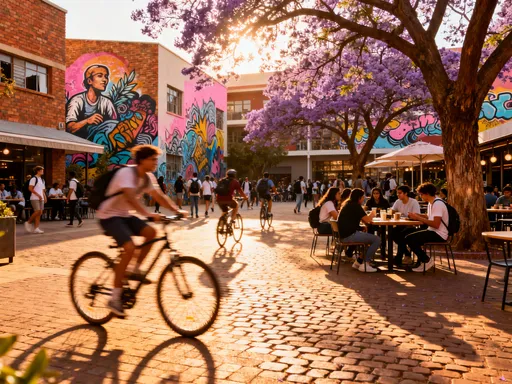
Arriving in Debrecen feels like stepping into a city that knows itself well. Unlike the bustling, cosmopolitan energy of Budapest, Debrecen moves at a gentler pace, one shaped by history, education, and deep-rooted community values. The first visual contrast that strikes any observer is the seamless blend of architectural styles—Baroque spires rising beside modernist facades, tree-lined avenues framed by historic tram lines, and open squares where pigeons scatter beneath the shadows of ancient walls. The Great Reformed Church, with its neoclassical columns and solemn presence, stands as the city’s spiritual and symbolic heart. Yet it is not the only subject worthy of attention. Beyond the postcard-perfect landmarks, the real photographic treasures lie in the city’s quieter corners—narrow side streets where laundry hangs between pastel-colored buildings, elderly residents sipping coffee at outdoor tables, and students hurrying across cobblestones on bicycles, backpacks slung over shoulders.
For photographers, this mix of the monumental and the mundane creates endless opportunities for storytelling. The morning light, soft and golden, spills across Main Square, illuminating the textured surfaces of centuries-old stonework. By midday, the sun casts sharp contrasts between shadow and brightness, ideal for capturing candid street scenes with dramatic depth. As the sun sets behind the university buildings, the sky often glows in warm hues, reflecting off glass and brick in ways that enhance the city’s layered aesthetic. Understanding Debrecen’s urban layout helps in planning these moments. The central districts—Nagyállomás, the Market Hall, and the University area—form a natural triangle for exploration, each offering distinct visual themes. With minimal tourist crowds, especially outside peak summer months, photographers can move freely, observing and framing without disruption.
What sets Debrecen apart is its authenticity. There is no performative charm here, no attempt to dazzle visitors with artificial spectacle. Instead, life unfolds naturally, and this honesty makes it an ideal destination for documentary-style photography. The city’s rhythm is shaped by seasons, by academic calendars, and by local traditions passed down through families. Capturing this requires patience, awareness, and a willingness to slow down. A simple walk through the old town can yield a dozen compelling frames: a vendor adjusting a basket of peppers, a child laughing beside a tram stop, a couple sharing a quiet moment on a park bench. These are not staged moments—they are real, fleeting, and profoundly human.
The Heartbeat of Culture: Traditional Events and Local Festivals
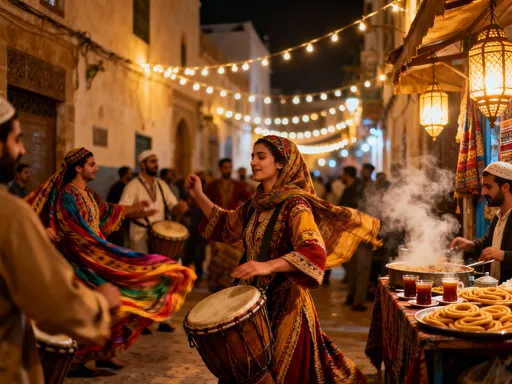
Debrecen’s cultural calendar is rich with events that pulse with genuine community spirit. Among the most visually striking is the annual Floral Festival, held each June in the heart of the city. What begins as a celebration of horticulture quickly transforms into a vibrant tapestry of color, music, and movement. Streets are lined with elaborate floral displays—arches woven from roses, tulips, and marigolds, their petals still dewy in the morning air. But beyond the blooms, the festival becomes a stage for living tradition. Local dance troupes, dressed in authentic Hungarian folk costumes, perform in open squares, their embroidered skirts swirling as they move to the rhythm of fiddles and cimbaloms. These are not performances for tourists; they are acts of cultural pride, often involving entire families, with grandparents watching proudly as grandchildren dance the same steps they once learned.
Photographing such events demands more than technical skill—it requires emotional sensitivity. The key is to blend into the background, to become part of the scenery rather than an intrusion. Early arrival allows for wide-angle shots of the festival’s setup—the workers arranging flower petals, the musicians tuning their instruments, the children practicing their routines. As the day unfolds, the energy builds, and so do the photographic opportunities. Evening concerts under the stars provide dramatic lighting conditions, with stage lights casting long shadows and warm glows across the audience. Using a fast lens with a wide aperture helps capture these low-light scenes without sacrificing clarity. The challenge lies in balancing motion and exposure—dancers in motion, hands raised in celebration, faces lit by firelight—all fleeting moments that require anticipation and timing.
Another cornerstone of Debrecen’s cultural life is the Csokonai Theatre Festival, a celebration of Hungarian performing arts that draws artists and audiences from across the country. While primarily a theatrical event, it also offers rich visual narratives for photographers. Backstage glimpses reveal the meticulous preparation—the makeup artists applying bold strokes, actors whispering lines before curtain rise, costume designers adjusting lace and velvet. In the audience, faces reflect deep engagement, especially among older attendees who recognize lines from classic plays. These moments of quiet concentration, of shared cultural memory, are as powerful as any stage performance. Photographers who gain respectful access to these spaces can document not just the art, but the devotion behind it.
Participating in these festivals is not about capturing perfect compositions, but about honoring the spirit of the occasion. Locals appreciate visitors who show genuine interest, who ask permission before photographing individuals, and who return with images that reflect dignity rather than curiosity. When done with care, such photography becomes a form of cultural preservation—each image a testament to traditions that continue to thrive in a modern world.
Inside the Market Halls: A Sensory and Visual Feast
No visit to Debrecen is complete without stepping into the Debrecen Market Hall, a bustling hub where daily life unfolds in full color and scent. From the moment you enter, the air is rich with the aroma of smoked paprika, freshly baked bread, and simmering goulash. Stalls overflow with seasonal produce—plump tomatoes, golden onions, bundles of dill and parsley—arranged with care by vendors who have worked these counters for decades. Their hands, weathered and strong, move with practiced ease, wrapping purchases in paper or weighing sausages on old-fashioned scales. These are the faces and textures that define authentic Hungarian life, and they make for some of the most compelling subjects in documentary photography.
The lighting inside the market hall is uniquely favorable for visual storytelling. High windows allow soft, diffused daylight to filter through, casting gentle illumination across wooden counters and metal trays. Early mornings are ideal, when the space is still waking up, and the light creates long shadows that add depth and dimension to compositions. Close-up shots of ingredients—cracked pepper, wheels of cheese, jars of honey—reveal intricate textures and natural colors that digital sensors can render with stunning clarity. A macro lens can isolate details: the grain of cured meat, the sheen of olive oil on peppers, the weave of a handmade basket. These small details, when framed with intention, become powerful symbols of local sustenance and craftsmanship.
But the market is more than a still-life studio—it is a social space, a place of exchange and connection. Photographers who take time to engage with vendors often find that a simple smile or polite greeting opens doors. Many are proud of their work and happy to share stories about their families, their recipes, or the origins of their goods. With permission, portraits taken in this context carry emotional weight—images of a woman in a floral apron holding a tray of pastries, or a man in a wool cap arranging sausages with quiet precision. These are not posed shots; they are collaborations, born of mutual respect.
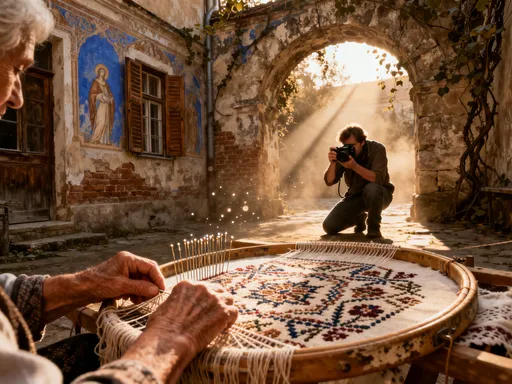
Beyond food, the market also features artisans selling handmade goods—embroidered tablecloths, hand-thrown pottery, and woven rugs. These crafts represent centuries of regional tradition, often passed from mother to daughter or master to apprentice. Capturing these items in context—draped over a counter, held in skilled hands—adds narrative depth. The photographer’s role here is not just to record, but to elevate—to show that these objects are not souvenirs, but living expressions of identity and heritage. In an age of mass production, such images remind us of the value of the handmade, the slow, the meaningful.
Architectural Layers: From Reformed Grandeur to Soviet-Era Simplicity
Debrecen’s skyline is a visual chronicle of Hungary’s complex history, where architectural styles coexist in quiet dialogue. Dominating the central square is the Reformed Great Church, a neoclassical monument built in the 19th century after the original was destroyed by fire. Its twin towers rise with solemn symmetry, and its white façade reflects the sunlight with quiet dignity. Inside, the vast nave is stripped of ornamentation, reflecting the Calvinist emphasis on simplicity and devotion. For photographers, the church offers powerful compositional opportunities—long shots down its central aisle, close-ups of weathered pews, or abstract patterns formed by light filtering through high windows. The surrounding square, with its open space and surrounding cafés, provides a natural frame for wide-angle shots that place the church within the context of daily life.
Just a short walk away, the University of Debrecen adds another layer to the city’s architectural identity. Founded in 1531, it is one of the oldest educational institutions in Hungary, and its campus blends historic and modern buildings. The main academic buildings, with their neoclassical columns and arched entrances, speak to a tradition of scholarship and intellectual pursuit. Students in casual clothing stream through these halls, creating a striking contrast between past and present. Photographing this juxtaposition—ancient stonework beside backpacks and smartphones—highlights the continuity of knowledge and community. Courtyards lined with benches offer moments of stillness, where a single student reading under a tree can become a poignant subject, framed by ivy-covered walls.
Equally compelling are the remnants of 20th-century urban planning—Soviet-era apartment blocks with their geometric facades and utilitarian design. These structures, often overlooked by tourists, provide a stark visual counterpoint to the ornate historic buildings. Their repetitive windows, concrete surfaces, and faded paint tell a different story—one of resilience, adaptation, and everyday survival. Photographers can use these spaces to explore themes of contrast and coexistence. A single blooming flower growing through a crack in the pavement, a child’s drawing taped to a window, or laundry hanging between balconies—all these small signs of life soften the austerity of the architecture and reveal the human spirit that endures within it.
Walking through Debrecen’s districts is like flipping through the pages of a historical album. Each neighborhood has its own character, its own visual language. The Old Town speaks of tradition and faith, the university area of learning and youth, and the residential zones of family and routine. For photographers, this diversity means endless opportunities to explore different moods, lighting conditions, and narrative themes. The city does not demand to be seen in one way; it invites multiple interpretations, multiple frames.
Green Spaces and Urban Rhythms: Nature Meets Daily Life
At the edge of the city center lies Nagyerdő, Debrecen’s beloved Great Forest—a vast green space that serves as both park and cultural venue. More than just a collection of trees, Nagyerdő is a living part of the city’s identity. Families gather here on weekends for picnics, couples stroll along tree-lined paths, and children laugh near the small zoo and amusement park. In summer, musicians perform in open-air pavilions, their melodies drifting through the leaves. In autumn, the forest glows in golden hues, and the lake reflects the changing canopy with mirror-like clarity. For photographers, this dynamic environment offers endless opportunities to capture the intersection of nature and human life.
The lighting in Nagyerdő changes dramatically with the seasons and time of day. Early morning brings a cool, silvery light that filters through the mist, ideal for capturing joggers on the trails or ducks gliding across the water. Midday sun creates dappled patterns on the ground, perfect for abstract compositions or portraits framed by natural light. Sunset, however, is the most magical time—when the sky turns amber and the trees cast long shadows across the grass. Couples walking hand in hand, elderly men playing chess at outdoor tables, or children chasing bubbles—all become poetic subjects in this soft, warm glow.
What makes Nagyerdő especially meaningful is its role in Hungarian family life. The concept of család, or family, is central to Hungarian culture, and this park is where that value is lived out. Grandparents push strollers, parents toss balls with their children, teenagers gather on benches with snacks and laughter. These are not staged family photos; they are real moments of connection, of shared time and simple joy. Photographing them requires discretion and empathy—approaching not as an observer, but as a respectful witness. Wide-angle lenses allow for environmental portraits that include the surroundings, placing the subjects within the context of their leisure and love.
The park also hosts several cultural events throughout the year, including outdoor concerts and folk dance performances. During these times, the atmosphere becomes even more vibrant, with lanterns glowing in the trees and food stalls offering traditional snacks. Photographers can capture both the energy of the crowd and the intimacy of individual moments—someone swaying to music with eyes closed, a child mesmerized by a puppet show, a couple sharing a blanket under the stars. These images do more than document an event; they preserve the feeling of togetherness that defines Debrecen’s spirit.
Behind the Lens: Practical Tips for Cultural Photography
Capturing the soul of Debrecen requires more than a good camera—it demands preparation, awareness, and ethical consideration. A lightweight mirrorless camera is ideal for navigating the city’s streets and markets without drawing undue attention. Prime lenses, particularly 35mm and 50mm, offer excellent image quality and allow for natural framing in close quarters. A 35mm lens provides a wide enough field of view for environmental portraits, while a 50mm lens excels at isolating subjects with beautiful background blur. For low-light situations—such as evening concerts or dimly lit interiors—a lens with a wide aperture (f/1.8 or lower) ensures sharp, noise-free images.
One of the most important practices is obtaining permission before photographing individuals, especially in intimate or religious settings. While many locals are open to being photographed, especially if approached with kindness and respect, it is essential to honor their dignity. A simple gesture—smiling, pointing to your camera, and nodding—can go a long way. In markets or festivals, spending a few minutes chatting with vendors or performers often leads to more authentic and willing participation. Never use a telephoto lens to capture candid moments without consent; doing so can feel invasive and undermines trust.
Technical preparation is equally vital. Debrecen offers excellent infrastructure for travelers. Cafés near Main Square and the University typically provide free Wi-Fi and power outlets, making it easy to back up photos daily and keep batteries charged. Carrying extra memory cards and a portable hard drive ensures that your work is safe. Weather in Hungary can be unpredictable, so a lightweight rain cover for your camera is a wise investment, especially during spring and autumn.
Finally, patience is the photographer’s greatest tool. Some of the most powerful images emerge not from planned shoots, but from waiting—watching light shift, people interact, or a moment unfold naturally. Debrecen rewards those who slow down, who listen as much as they see. It is not a city of instant gratification, but of gradual revelation. Every alley, every face, every quiet courtyard holds a story waiting to be framed with care and compassion.
Why Debrecen Matters: Preserving Culture Through Images
In an era of fast travel and fleeting digital content, Debrecen stands as a reminder of what meaningful tourism can be. Photography, when practiced with intention, becomes more than a personal pursuit—it becomes an act of preservation. The folk dances, the market rituals, the quiet moments in courtyards—these are not static traditions, but living practices that evolve with time. Yet they face pressures from modernization, globalization, and changing lifestyles. By capturing them with honesty and respect, photographers help ensure they are not forgotten.
Each image taken in Debrecen serves as a bridge between cultures. For viewers abroad, these photographs offer a window into a way of life that is both foreign and familiar—where family, faith, and community remain central. They challenge the clichés of travel photography, which often focus on perfect sunsets or empty landmarks. Instead, they present a city as it is: imperfect, vibrant, and deeply human. This authenticity is what resonates most—what makes people pause, look closer, and feel connection.
Moreover, responsible photography supports sustainable tourism. When travelers seek out real experiences rather than staged attractions, they contribute to local economies in meaningful ways. They buy from artisans, eat at family-run restaurants, and engage with communities on equal terms. Their images, shared thoughtfully, can inspire others to visit with respect and curiosity, not just consumption. In this way, photography becomes a form of advocacy—a quiet call to protect what is genuine, what is enduring.
Debrecen’s true beauty lies not in grand monuments, but in its unguarded moments—the woman laughing as she adjusts her hat, the boy chasing a balloon through the square, the couple sharing a bench in silence. These are the images that stay with us, that remind us of our shared humanity. To photograph Debrecen is not to capture perfection, but to honor presence. And in doing so, we do more than document a place—we preserve its soul.