You Won’t Believe These Secret Spots in Daejeon
Imagine stumbling upon a city where futuristic science meets centuries-old tradition, all wrapped in lush greenery and vibrant street life. Daejeon, South Korea’s underrated gem, is not just a transit stop—it’s a destination that quietly steals your heart. From misty mountain trails to glowing nightscapes, I discovered scenic wonders most travelers miss. This is not your typical tourist tale; this is real, raw, and absolutely unforgettable. Nestled in the heart of South Korea, Daejeon balances innovation with tranquility, offering experiences that linger long after departure. For those seeking beauty beyond the usual paths, this city reveals itself slowly, generously, and with quiet confidence.
Why Daejeon Deserves More Than a Layover
Daejeon often appears on travel itineraries as little more than a brief stop between Seoul and Busan. Yet this mid-sized city, home to over 1.5 million residents, holds a depth of charm that defies its under-the-radar status. Located in the central region of South Korea, it serves as a vital hub for education, research, and technology—hosting numerous national research institutes and universities such as KAIST. While these accolades paint a picture of a purely academic and scientific center, they overshadow another truth: Daejeon is also a city deeply connected to nature and culture.
Its geographical position makes it easily accessible by KTX high-speed rail, with direct connections from major cities. Despite this convenience, international tourism numbers remain modest compared to destinations like Jeju or Gyeongju. This relative obscurity is precisely what gives Daejeon its appeal. Without the crowds, visitors can explore at their own pace, discovering serene parks, quiet temples, and scenic overlooks untouched by mass tourism. The contrast between expectation and reality is striking—what many assume to be a sterile urban landscape unfolds instead into a city where forests climb hillsides, rivers meander through neighborhoods, and art blends seamlessly with open spaces.
What sets Daejeon apart is its ability to harmonize progress with preservation. While skyscrapers and research complexes rise in certain districts, green belts and protected natural areas are carefully maintained. Urban planning here emphasizes livability, with wide pedestrian paths, clean air initiatives, and extensive public transportation networks. For the mindful traveler, this balance offers something rare: a modern city that hasn’t sacrificed soul for speed. It invites exploration not through flashy attractions, but through subtle moments—a breeze through pine trees, the reflection of autumn leaves on still water, or the distant chime of a temple bell.
Experiencing the Soul of Nature at Yuseong Healing Forest
One of Daejeon’s most peaceful retreats lies within the Yuseong Healing Forest, a designated therapeutic woodland designed to promote mental and physical well-being. Spread across gentle slopes and shaded groves, this forest offers a sanctuary for those seeking respite from the rhythm of daily life. As you step onto the wooden walkways, the air changes—cooler, fresher, carrying the crisp scent of pine and damp earth. Birdsong filters through the canopy, and sunlight dapples the path ahead, creating a sense of calm that begins with the first breath.
The concept behind the forest draws from the traditional Korean practice of *sanlimyok*, or forest bathing—a mindful immersion in nature shown by studies to reduce stress hormones, lower blood pressure, and improve mood. Unlike strenuous outdoor activities, forest bathing emphasizes presence: walking slowly, listening deeply, and allowing the natural environment to restore inner balance. At Yuseong, this philosophy is woven into the design. Designated rest zones with wooden benches encourage quiet contemplation, while open meadows invite gentle stretching or seated meditation. Visitors often pause beneath towering evergreens, closing their eyes to absorb the quiet.
Though the forest does not host widely advertised programs, local wellness groups occasionally organize guided walks focused on mindfulness and breathing exercises. These sessions, when available, are typically led by certified guides who share insights about native plants, seasonal changes, and the science of nature therapy. Even without formal participation, the experience remains deeply restorative. Families stroll along the main trail, children laughing softly as they spot squirrels darting between trees. Elderly couples walk hand in hand, moving at a pace that honors both age and intention. There is no rush here—only space to breathe, reflect, and reconnect.
Accessibility adds to its appeal. Public buses serve the area, and signage is clear, making it easy for solo travelers or those unfamiliar with the city to visit independently. Benches, drinking fountains, and restroom facilities are thoughtfully placed, ensuring comfort without disrupting the natural ambiance. In spring, cherry blossoms frame the entrance; in autumn, the forest glows with golden hues. No matter the season, Yuseong Healing Forest stands as a testament to Daejeon’s commitment to holistic well-being—a place where healing happens not in clinics, but among the trees.
Hiking Above the City: The Daejeon Skyline from Guamsan Mountain
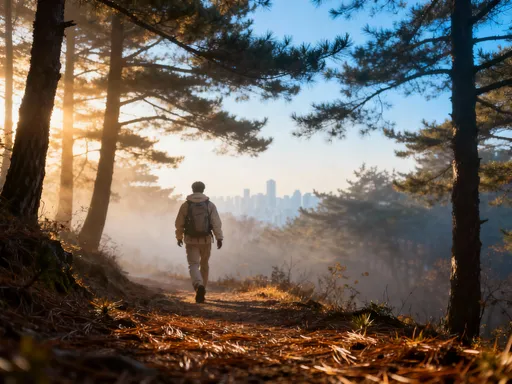
Rising to approximately 580 meters, Guamsan Mountain offers one of the most rewarding hikes in the region, delivering panoramic views that stretch far beyond city limits. Accessible by local bus or a short taxi ride from central Daejeon, the trailhead begins quietly, winding through residential streets before ascending into forested terrain. The climb, while moderate, requires steady footing—especially after rainfall, when stone steps can become slick. Most hikers complete the ascent in 1.5 to 2 hours, depending on pace and rest stops. Along the way, the sounds of the city fade, replaced by rustling leaves, distant bird calls, and the occasional echo of conversation from fellow climbers.
What makes Guamsan special is not just the physical challenge, but the transformation of perspective. As elevation increases, glimpses of the city emerge between tree trunks—clusters of apartment buildings, ribbons of road, and the distant glint of office towers. At the summit, the full panorama unfolds: Daejeon sprawls beneath a wide sky, framed by surrounding mountain ranges that ripple into the horizon. On clear days, visibility extends for dozens of kilometers, offering a rare vantage point to appreciate the city’s layout and its integration with the natural landscape.
Sunrise is a particularly magical time to visit. Early risers—often local residents—arrive with thermoses of tea or coffee, settling onto rocks to watch the first light wash over the city. Golden hour paints the skyline in warm tones, softening edges and casting long shadows. Photographers line the observation area, adjusting lenses to capture the perfect shot. Evenings bring a different kind of beauty, as streetlights and building illuminations create a sparkling tapestry below. For families, weekend hikes are a cherished tradition. Parents encourage children up the final stretch, rewarding them with snacks and stories at the top.
The trail itself is well-maintained, with marked routes, safety railings on steeper sections, and informational boards identifying plant species and historical points of interest. There are no commercial vendors along the path, preserving the sense of escape. A small pavilion at the summit provides shelter from wind or rain, and basic restrooms are available. Because the hike does not require technical gear or prior experience, it remains popular across age groups. Whether seeking exercise, solitude, or simply a new view of home, Guamsan delivers—a quiet triumph waiting just above the everyday.
Art, Culture, and Open-Air Beauty at Daejeon Museum of Art Park
Just a short distance from the city center lies a cultural oasis: the park surrounding the Daejeon Museum of Art. More than just a setting for a building, this expansive green space functions as a living canvas where nature, design, and community intersect. Wide lawns slope gently toward reflective ponds, where koi glide beneath lily pads and ducks glide across still surfaces. Seasonal blooms—tulips in spring, cosmos in autumn—add bursts of color, while neatly trimmed hedges and winding pathways invite leisurely exploration.
The museum’s architecture itself is a work of art. Its modern lines and geometric forms contrast beautifully with the organic surroundings, creating a dialogue between human creation and natural form. Even visitors who do not enter the galleries find value in the exterior—photographers frame shots of the building against seasonal backdrops, while couples sit on benches exchanging quiet words. Sculptures are thoughtfully placed throughout the park, some abstract, others representational, each inviting interpretation without demanding attention.
On weekends, the park becomes a gathering place for locals. Families spread picnic blankets, unpacking boxes of rice cakes, fruit, and tea. Children chase bubbles or ride scooters along paved paths, while elders practice tai chi near the water’s edge. The atmosphere is one of relaxed enjoyment, free from the pressure to perform or impress. It is a space designed not for spectacle, but for presence—a place where people come to be, rather than to do.
For art lovers, the museum hosts rotating exhibitions featuring contemporary Korean artists, often highlighting themes of environmental awareness, social connection, and personal identity. While admission may be required for indoor galleries, the outdoor experience remains fully accessible to all. Informational plaques near sculptures provide context without overwhelming, allowing visitors to engage at their own level. Benches are plentiful, positioned to offer views of both artwork and scenery. The integration of culture and nature here reflects a broader philosophy—one that values beauty not as decoration, but as essential to daily life.
Following the Stream: Tranquility Along Gapcheon River
Cutting through the heart of Daejeon, Gapcheon Stream is a testament to thoughtful urban renewal. Once an overlooked waterway, it has been transformed into a green corridor that supports both ecology and community well-being. Lined with paved bike paths, shaded walkways, and native vegetation, the stream offers a continuous route for jogging, cycling, and quiet reflection. Benches, lighting, and signage make it safe and accessible, encouraging use from early morning to late evening.
In spring, the banks burst into bloom with cherry blossoms, drawing locals for evening walks beneath pink canopies. Petals drift onto the water’s surface, carried gently downstream. In autumn, maples and ginkgos turn the path into a corridor of gold and crimson. Even in winter, the stream retains its appeal—frost-laced reeds sway in the breeze, and the sound of flowing water provides a soothing counterpoint to the silence. Throughout the year, residents treat this space as an extension of their homes—a place to breathe, move, and reconnect.
Cafes and small eateries have sprung up along certain stretches, offering outdoor seating with river views. These are not tourist-focused establishments, but neighborhood favorites—places where regulars greet baristas by name and order the same drink every visit. Some serve traditional Korean teas, others modern coffee blends, all providing a moment of pause amid the flow of the day. Cyclists glide past on rented bikes or personal models, many using the path for commuting as well as recreation.
The restoration of Gapcheon was part of a broader city initiative to improve air quality, manage stormwater, and increase green space. Native plants were reintroduced to stabilize banks and support pollinators, while permeable surfaces help reduce runoff. The result is not only scenic but sustainable—a model of how urban waterways can serve both people and ecosystems. For visitors, walking along Gapcheon offers a unique way to experience Daejeon’s rhythm, away from main roads and shopping districts. It is a reminder that beauty often flows quietly, unnoticed, until you take the time to follow it.
Hidden Temple and History: Dotted with Serenity at Dongchon-ri Stone Buddha
Far from the bustling temples of Seoul or the grand complexes of Gyeongju, the Dongchon-ri Stone Buddha offers a different kind of spiritual encounter—one defined by simplicity, quiet, and historical depth. Tucked into a residential neighborhood, this site requires intention to find. A narrow stone path, flanked by moss-covered walls and overhanging branches, leads to a small courtyard where the Buddha sits in meditation. Carved from solid rock during the Silla Dynasty, likely over a thousand years ago, the statue bears the marks of time—weathered features, faint traces of pigment, and a quiet dignity that speaks across centuries.
There is no ticket booth, no gift shop, no crowd. Visitors arrive alone or in pairs, often pausing to bow or place a small offering before stepping back into silence. The surrounding temple structure is modest, blending seamlessly with the hillside. Incense curls from a simple burner, scenting the air with sandalwood. Birds call from nearby trees, and the only other sound is the occasional rustle of leaves. It is a place made for reflection, not performance—a sanctuary where history and stillness coexist.
The site’s significance lies not only in its age but in its continuity. For generations, locals have cared for this space, preserving it as part of their cultural heritage. While it does not attract scholarly attention on a national scale, its value to the community is immeasurable. Schoolchildren sometimes visit with teachers, learning about the region’s past through tangible artifacts. Elders come to pray, their movements slow and deliberate, honoring both faith and memory.
Because it remains off most tourist maps, the experience feels authentic and undisturbed. There are no loud announcements, no guided groups moving in formation. Instead, there is space to stand, look, and feel the weight of time. The stone Buddha does not preach; it simply exists—an enduring presence in a changing world. For those willing to seek it out, this hidden site offers a rare gift: a moment of peace rooted in history, available to anyone who walks the quiet path.
How to Make the Most of Your Scenic Journey in Daejeon
To truly appreciate Daejeon’s hidden beauty, timing and preparation matter. The best seasons to visit are spring (April to early May) and autumn (late September to November), when temperatures are mild and nature is at its most vivid. Spring brings cherry blossoms to Gapcheon and fresh greenery to hiking trails, while autumn paints Guamsan and the museum park in rich reds and golds. Summer can be humid, and winter, though peaceful, may limit outdoor comfort for some travelers.
Getting around is straightforward. Daejeon’s public transportation system includes a clean, efficient subway line and an extensive bus network that reaches even peripheral attractions. Most key sites are accessible within 30–45 minutes from the city center. For those staying multiple days, consider purchasing a rechargeable transit card for seamless travel. Taxis are readily available and reasonably priced, making them a good option for reaching trailheads or returning late in the evening.
It’s possible to combine several spots in a single day. Begin early with a hike up Guamsan for sunrise, then descend to rest and refuel with a light meal before heading to Yuseong Healing Forest for a midday walk. In the afternoon, visit the Daejeon Museum of Art Park, followed by a riverside stroll along Gapcheon as the sun sets. Those interested in history can conclude with a visit to Dongchon-ri Stone Buddha, ideally in the soft light of late afternoon.
Pack light but thoughtfully. Comfortable walking shoes are essential, especially for trails. A small backpack with water, snacks, sunscreen, and a light rain jacket ensures readiness for changing conditions. A camera or smartphone with extra battery life will help capture fleeting moments—the mist rising from the forest floor, the reflection of autumn leaves on a pond, or the distant glow of the city from Guamsan’s peak. Most importantly, approach each location with respect. Many sites are places of rest, reflection, or worship; keeping voices low and avoiding litter honors both the environment and the local community.
Conclusion: Rediscovering Beauty in Unexpected Places
Daejeon challenges the notion that remarkable travel experiences must happen in famous capitals or remote wilderness. Instead, it reveals that beauty often resides in the overlooked, the understated, the quietly maintained. This city, where science and serenity coexist, invites travelers to slow down, look closer, and appreciate the harmony between human progress and natural grace. Each hidden spot—from forest to stream, mountain to stone—offers not just a view, but a feeling: of peace, of connection, of discovery.
The journey through Daejeon becomes more than a series of destinations; it evolves into a mindset. It teaches that value is not always measured by fame or scale, but by authenticity and intention. In a world that often prioritizes speed and spectacle, Daejeon reminds us that some of the most meaningful moments happen in stillness—in the rustle of leaves, the warmth of sunrise, the quiet smile of a stranger on a shared path.
For women between 30 and 55—many of whom balance family, work, and personal well-being—this kind of travel offers renewal. It is not about checking boxes, but about recharging the spirit. Daejeon does not demand attention; it earns it, gently and steadily. So for those ready to step beyond the expected, to explore with curiosity and an open heart, this city awaits—not with fanfare, but with quiet promise. The secret is not that Daejeon is perfect, but that it is real. And sometimes, that is more than enough.