You Won’t Believe These Secret Viewpoints in Agadir
Agadir isn’t just about sunbathing and surf—trust me, the real magic happens when you step off the beaten path. I stumbled upon hidden spots where the Atlantic meets golden cliffs, and the views took my breath away. From quiet hillside trails to local-favorite lookouts, these vantage points reveal Morocco’s raw beauty. If you're chasing authenticity and unforgettable panoramas, this is where Agadir truly shines. While most visitors stay close to the wide sandy beach or the bustling souk, those who venture just a little further are rewarded with sweeping vistas, moments of stillness, and a deeper connection to the land. This guide unveils the lesser-known perspectives that locals cherish and travelers rarely find—places where light, sea, and sky converge in quiet harmony.
Why Viewpoints Matter in Agadir
When most people think of Agadir, they picture its three-kilometer stretch of golden sand, lined with sunbeds and dotted with surfers catching gentle waves. Yet the city’s true depth lies beyond the shoreline. Scenic viewpoints transform a simple holiday into a meaningful journey, offering travelers a broader understanding of place, geography, and culture. In Agadir, these high vantage points do more than provide photo opportunities—they tell a story. The city sits at the edge of a dramatic landscape where the Atlantic Ocean crashes against weathered cliffs, and the distant Anti-Atlas Mountains rise like ancient sentinels under a nearly cloudless sky.
Agadir benefits from a unique geographical advantage. Located on Morocco’s southwestern coast, it enjoys over 300 days of sunshine per year, which means visibility is consistently excellent. This clarity enhances the experience of viewing the coastline from elevated spots, where the contrast between turquoise water, rust-colored cliffs, and deep blue horizons becomes especially vivid. The air is often crisp in the mornings and softened by golden light in the late afternoon, creating ideal conditions for both reflection and photography. Unlike crowded beachfronts, high-altitude lookouts offer space to pause, breathe, and absorb the natural rhythm of the region.
What truly sets these viewpoints apart is the sense of intimacy they foster. When you climb above the noise of daily life—away from traffic, music, and crowds—the landscape speaks more clearly. You begin to notice subtle details: the way gulls circle over hidden coves, how shadows move across the dunes, or the distant flicker of fishing boats at dusk. These quieter spots encourage mindfulness, inviting visitors to slow down and observe rather than simply consume the scenery. For many travelers, especially those seeking a more reflective travel experience, these moments of solitude are the most memorable.
Furthermore, visiting viewpoints supports a more sustainable form of tourism. By dispersing foot traffic beyond the main attractions, travelers reduce pressure on popular areas and gain access to authentic corners of the region. Local communities often appreciate visitors who explore respectfully, especially when they support nearby small businesses like family-run tea stalls or independent craft stands. Choosing to seek out elevated perspectives isn’t just about seeing more—it’s about experiencing Agadir with greater awareness, respect, and emotional resonance.
The Hidden Hill of Taghazout Bay
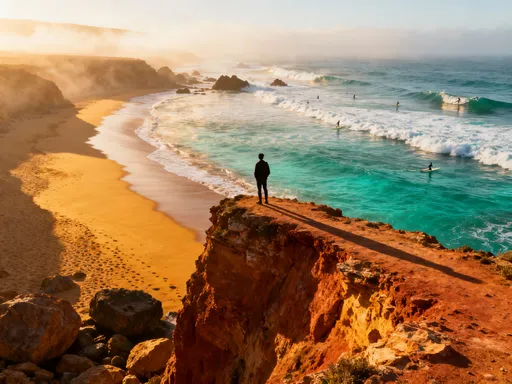
Nestled just north of Agadir, the village of Taghazout has long been a magnet for surfers and nature lovers. While many come for the consistent waves and laid-back vibe, few make the short climb to a quiet hill overlooking the bay—an unmarked but breathtaking viewpoint that locals know well. This spot, accessible via a narrow dirt path winding up from the edge of the village, rewards climbers with a panoramic view of Taghazout Bay in all its glory. Below, surfers glide across emerald swells, their boards cutting through morning light. Beyond them, the open Atlantic stretches endlessly, meeting the sky in a soft haze that shifts with the time of day.
The trail itself is modest—about a 15-minute walk with a gentle incline—but it feels like a journey into another world. As you ascend, the sounds of the village fade, replaced by the whisper of wind through hardy coastal plants and the distant crash of waves against rock. The path is unmarked and not maintained by tourism authorities, which adds to its charm but requires a bit of attention. Sturdy walking shoes are recommended, especially after rain when the soil can become slippery. There are no railings or signs, so visitors should proceed with care, particularly if traveling with young children.
What makes this viewpoint extraordinary is its dynamic beauty throughout the day. In the early morning, the sun rises behind the hills, casting long shadows and illuminating the mist that often hovers above the water. Midday brings sharp clarity, ideal for spotting dolphins or seabirds in the bay. But it’s at sunset that the hill truly comes alive. As the sun dips toward the horizon, the sky ignites in shades of amber, rose, and lavender, reflecting off the ocean in shimmering streaks. Photographers and romantics alike find this moment unforgettable, and the absence of crowds allows for genuine stillness.
Nearby, a few eco-conscious cafés have begun to cater to mindful travelers. These small establishments, often run by local families, serve mint tea, fresh orange juice, and light snacks made with regional ingredients. Some offer yoga sessions or guided nature walks, promoting a slower, more intentional way of engaging with the area. By supporting these businesses, visitors contribute directly to the community while enjoying refreshments after their climb. The combination of natural beauty, physical activity, and cultural connection makes the Taghazout hillside one of Agadir’s best-kept secrets.
Corniche Heights: A Local’s Secret
Agadir’s Corniche is famous for its seaside promenade, where families stroll, children play, and vendors sell snacks under colorful umbrellas. Yet few tourists venture beyond the paved walkway to explore the elevated sections that run parallel to the coast. These higher paths, known to residents but often overlooked by guests, offer some of the most expansive views in the city. From these vantage points, you can see the full arc of Agadir Bay, stretching from the dark volcanic formations of Roches Noires in the north to the working port in the south. The contrast between wild nature and urban life is striking, and the sense of scale is humbling.
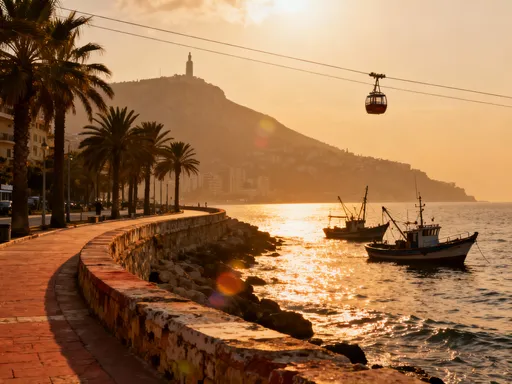
One of the best stretches begins near the southern end of the main beach, where a series of stone steps lead upward to a quieter road lined with native shrubs and low stone walls. From here, the city unfolds below like a living map. Fishing boats bob near the harbor entrance, their crews preparing for evening trips. On clear days, the silhouette of Mount Boutiouat appears faintly on the horizon, a reminder of the mountainous interior just beyond the coastal plain. The air at this height carries the scent of salt and wild thyme, and the breeze is noticeably stronger, cooling even on warm afternoons.
The golden hour—just before sunset—is the ideal time to visit. As the sun lowers, it bathes the entire coastline in warm, honeyed light. The white walls of buildings glow softly, the ocean sparkles like crushed glass, and long shadows stretch across the sand. This is when photographers and locals alike come to pause and reflect. Some bring small folding chairs or blankets, turning the moment into a quiet ritual. Unlike the more commercialized sunset spots in other Moroccan cities, this area remains low-key and unpretentious, a place for genuine appreciation rather than performance.
Access to these elevated areas is safe and straightforward, though signage is minimal. Visitors should stick to established paths and avoid entering private properties, as some homes are built into the hillside. Respect for local privacy is essential, and keeping noise levels low ensures a peaceful atmosphere for everyone. There are no formal facilities at these heights, so bringing water and a light snack is advisable. But the trade-off—uninterrupted views and a sense of discovery—is well worth the small effort required.
Agadir Marina’s Quiet Corners
The Agadir Marina is often associated with luxury yachts, upscale restaurants, and evening entertainment. While these elements are part of its charm, they only tell half the story. For those willing to explore its quieter edges, the marina offers subtle, layered viewpoints that reveal the pulse of coastal life. Just beyond the main harbor basin, a network of footpaths follows the curve of the breakwater toward the old lighthouse. These paths are rarely crowded, especially in the early morning, and provide a front-row seat to the daily rhythm of the sea.
Walking along these trails, you’ll notice how the scene changes with the tide. At high tide, the water laps gently against stone walls, and small fishing boats glide in and out with practiced ease. At low tide, sandbanks emerge, attracting wading birds and creating natural reflections that mirror the sky. The lighthouse itself, though no longer the primary navigational aid, stands as a picturesque landmark. From its base, the view opens up to the open ocean, with waves breaking against offshore rocks in a steady, meditative rhythm.
One of the most serene times to visit is just after sunrise, when the marina is still waking up. The air is cool, the light is soft, and the only sounds are the creak of moored boats and the cry of gulls overhead. This is when photographers can capture the most evocative images—silhouettes of masts against a pale pink sky, or the first rays of sun glinting off polished decks. But the experience isn’t just visual; it’s emotional. There’s a quiet dignity in watching the day begin by the water, a sense of continuity that connects past and present.
These quiet corners also offer a glimpse into local maritime culture. While the larger yachts draw attention, it’s the smaller fishing vessels that keep the harbor alive. Crews mend nets, clean catches, and prepare for early trips, their routines unchanged for generations. Observing this activity from a respectful distance allows visitors to appreciate the working side of the marina, beyond its polished façade. A few modest cafés near the entrance serve strong coffee and simple pastries, perfect for a slow start to the day. By choosing to explore beyond the main promenade, travelers gain a more complete picture of Agadir’s relationship with the sea.
The Kasbah Remnants and Historical Glimpses
Rising above the modern grid of Agadir’s city center are the remains of the old Kasbah, a fortified structure destroyed in the devastating 1960 earthquake that reshaped the region. Today, only fragments of its walls and foundations remain, but its location atop the highest point in the city makes it one of the most powerful viewpoints in Agadir. Standing here, you’re not just seeing the landscape—you’re standing at the intersection of history, memory, and resilience. The panoramic outlook offers a sweeping view of the rebuilt city, the vast beach, and the endless ocean, creating a moment of deep reflection.
The climb to the Kasbah site is short but meaningful. A paved path leads upward from the edge of the medina, passing through a small garden where locals sometimes gather in the shade. As you approach the top, the city spreads out below in all directions. To the west, the Atlantic glimmers under the sun. To the east, the Anti-Atlas Mountains frame the horizon. The contrast between the orderly modern city and the rugged natural surroundings is striking, a testament to both human recovery and nature’s enduring presence. Interpretive signs, though limited, provide basic historical context, helping visitors understand the significance of the site.
What makes this viewpoint unique is its emotional weight. The 1960 earthquake killed thousands and left much of Agadir in ruins. The fact that the city was rebuilt with such vitality speaks to the strength of its people. From the Kasbah ruins, you can see how far Agadir has come—yet the remnants serve as a quiet reminder of the past. For many visitors, especially those interested in cultural depth, this blend of history and scenery creates a profound experience. It’s not just about the view; it’s about what the view represents.
Because the site is exposed, it’s best visited in the morning or late afternoon to avoid the midday heat. There are shaded areas near the base, making it a good spot for a short rest or a quiet conversation. While the ruins themselves are not extensively restored, their simplicity adds to their dignity. This is not a theme park or a reconstructed landmark—it’s a real place, touched by time and memory. Families, couples, and solo travelers alike find something personal here, whether it’s a moment of gratitude, curiosity, or peace.
Day Trip to Cap Rhir: Wild and Undiscovered
About 20 kilometers south of Agadir, beyond the reach of most tourist itineraries, lies Cap Rhir—a coastal stretch of raw, untouched beauty. This remote headland is not marked on many guidebooks, and it lacks formal facilities, which is precisely what makes it special. Here, the landscape reclaims its wild character: sweeping dunes roll down to rocky shores, abandoned colonial-era buildings stand in quiet decay, and sea cliffs plunge dramatically into the ocean. For travelers seeking solitude, natural drama, and photographic inspiration, Cap Rhir is a hidden gem.
The journey to Cap Rhir is part of the adventure. The most practical options are renting a car or taking a shared taxi from Agadir’s main station. The road runs parallel to the coast, passing through small agricultural villages and fields of argan trees. As you approach the cape, the terrain becomes more rugged, and the ocean views more expansive. There is no entrance fee, no ticket booth, and no crowd—just open space and the sound of the wind. Visitors should bring water, sun protection, and a fully charged phone, as mobile signal can be weak in this area.
Once at the site, exploration is freeform. Some walk along the dunes, where hardy grasses cling to the sand and lizards dart between rocks. Others follow the edge of the cliffs, where the view of the Atlantic is uninterrupted for miles. The abandoned buildings, likely former military or observation posts, add a sense of mystery. Their empty windows frame the sea like natural picture frames, and their weathered walls tell stories without words. Graffiti is minimal, and the site remains largely preserved by its isolation.
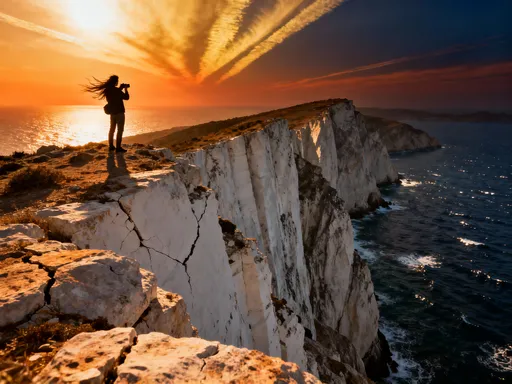
Safety is important in such a remote location. The cliffs can be unstable, so it’s essential to stay back from the edge, especially in windy conditions. There are no lifeguards or emergency services nearby, so swimming is not recommended unless conditions are calm and you’re with a group. But for those who come prepared, Cap Rhir offers a rare opportunity to experience Morocco’s coastline as it was before mass tourism. It’s a place of quiet awe, where nature speaks louder than people, and the horizon feels infinite.
How to Find Your Own View: Mindful Exploration Tips
The most memorable viewpoints are not always the ones listed in guidebooks. Often, the best perspectives come from curiosity, patience, and a willingness to wander with purpose. In Agadir, as in any destination, the key to discovery is paying attention. Look for small upward paths branching off main roads. Notice where locals pause to take in the view. Follow the direction of camera lenses at sunset. These subtle cues often lead to unmarked but extraordinary spots that aren’t on any map.
Engaging politely with residents can also open doors. A simple “Where do you go to see the best view?” in basic French or Arabic, accompanied by a smile, can yield invaluable advice. Many Moroccans are proud of their landscapes and happy to share hidden corners with respectful guests. Accepting an invitation for tea or directions to a family-favorite lookout can turn a simple outing into a meaningful connection. The goal is not to intrude, but to learn—always asking permission when approaching private land and thanking hosts generously.
Slowing down is another essential practice. In an age of fast travel and curated Instagram moments, taking time to observe deeply can feel radical. Sit on a rock for ten minutes. Watch how light changes over the water. Listen to the rhythm of the waves. These moments of stillness often lead to the most powerful realizations. The best views aren’t just seen—they’re felt. They remind us of our smallness in the grand scheme of nature, and our deep need for beauty and quiet.
Finally, practice responsible exploration. Stick to existing paths to protect fragile ecosystems. Avoid leaving any trace—pack out what you bring in. Respect cultural norms by dressing modestly, especially when near residential areas. By traveling mindfully, you ensure that these secret viewpoints remain pristine for future visitors. The true reward of discovery is not just personal enjoyment, but the knowledge that you’ve honored the place you’ve come to admire.
These viewpoints aren’t just about what you see—they’re about how Agadir makes you feel: small in the best way, connected, and quietly amazed. By stepping beyond the postcard scenes, you uncover a Morocco that’s alive, layered, and deeply personal. So next time you’re here, look up, climb higher, and let the landscape speak for itself.