You Gotta Taste This: Bridgetown’s Urban Food Pulse
Walking through Bridgetown, Barbados, I didn’t just see a city—I tasted it. The streets hum with life, where food isn’t just eaten but lived. From bustling markets to hidden sidewalk grills, every bite tells a story of culture and community. This isn’t just Caribbean flavor; it’s urban energy on a plate. If you think you know Bajan food, think again—Bridgetown’s real magic happens where concrete meets cuisine. Here, meals unfold in open-air plazas, on busy corners, and in family-run stalls that have served the same recipes for generations. It’s a city that feeds its soul through shared plates, where the rhythm of daily life pulses strongest around the next meal.
The Heartbeat of the City: Food as Urban Identity
In Bridgetown, food is not merely a necessity—it is the lifeblood of the city’s identity. The capital of Barbados pulses with a culinary rhythm that mirrors its people: vibrant, resilient, and deeply connected. Unlike more formal dining experiences found in resort areas, the true essence of Bajan life unfolds on the sidewalks and in the open-air markets where neighbors gather not just to eat, but to talk, laugh, and reconnect. These food-centered spaces serve as informal community centers, where the exchange of stories is as nourishing as the food itself. Whether it’s a fish vendor calling out the day’s catch or a grandmother selling homemade pudding from a cooler, each interaction strengthens the social fabric of the city.
The role of food in shaping Bridgetown’s urban landscape cannot be overstated. Street vendors line the main thoroughfares, particularly along Roebuck Street and Spring Garden Highway, transforming mundane commutes into sensory journeys. Their presence turns otherwise utilitarian spaces into lively zones of interaction. These vendors are not just entrepreneurs—they are cultural custodians, preserving recipes passed down through generations and adapting them to modern tastes without losing authenticity. Their stalls become landmarks, recognized by regulars who rely on them not only for sustenance but for a sense of continuity in an ever-changing city.
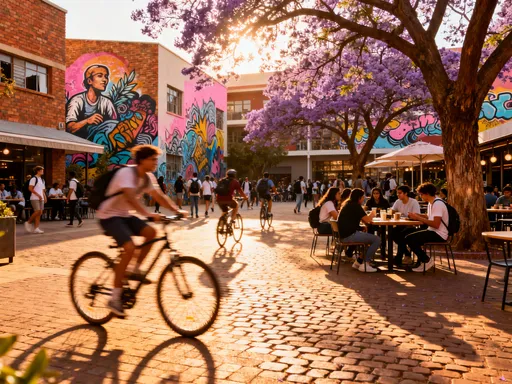
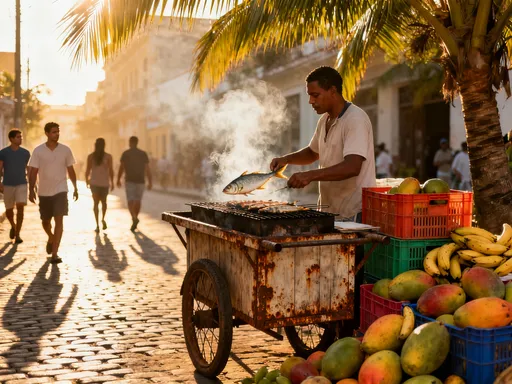
Local plazas and market squares function as natural gathering points, especially during midday and early evening hours. Places like the Bridgetown Market Square or the open space near the Careenage waterfront often host impromptu food clusters, where several vendors set up within close proximity, creating de facto food courts long before the term became trendy. These organic food hubs reflect a uniquely Caribbean approach to urban living—one that prioritizes accessibility, affordability, and human connection over polished aesthetics. The city’s rhythm is measured not by traffic lights or office hours, but by the sizzle of fish on a grill, the chopping of fresh herbs, and the call of a vendor announcing “Fresh bake and shark—hot and ready!”
From Market to Mouth: Cheapside and the Culture of Fresh
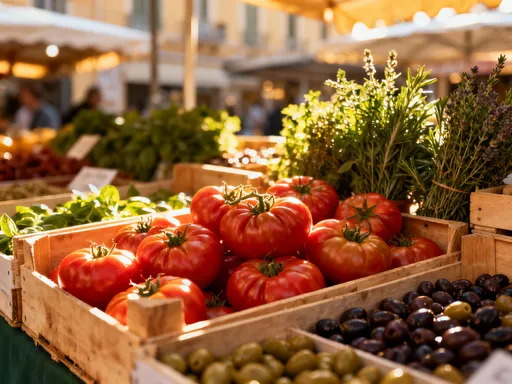
No exploration of Bridgetown’s food culture is complete without a visit to Cheapside Market, one of the oldest and most vibrant public markets in the Caribbean. Located just north of the city center, Cheapside has served as a cornerstone of daily life for over a century. It is here that the island’s agricultural bounty flows into the urban heart, connecting rural farmers with city dwellers in a weekly ritual of commerce and community. Open primarily on weekends, the market transforms into a kaleidoscope of color, scent, and sound—pyramids of golden pineapples, baskets of deep purple eggplants, and mounds of fresh okra and dasheen leaves piled high on wooden tables.
The sensory experience of Cheapside is overwhelming in the best possible way. The air carries the tang of salted fish, the sweetness of ripe mangoes, and the earthy aroma of freshly dug yams. Vendors call out their wares in melodic Bajan patois, while shoppers weave through narrow aisles, bargaining gently and sampling as they go. It’s common to see a woman taste a slice of sugar cane before purchasing a bundle, or a man sniff a bunch of thyme to ensure its freshness. This direct engagement between buyer and seller fosters trust and transparency, a stark contrast to the impersonal nature of supermarket shopping.
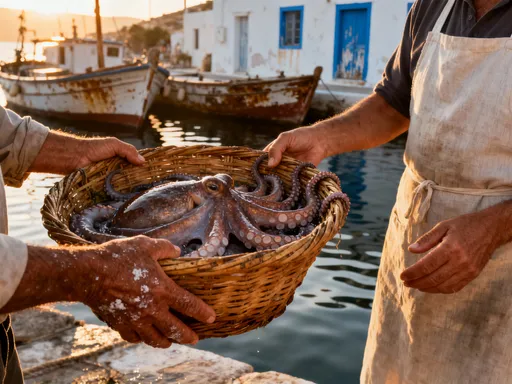
Cheapside is more than a marketplace—it is a living archive of Bajan culinary tradition. The ingredients found here form the foundation of everyday meals across the island. Flying fish, caught just offshore, are cleaned and scaled on-site, ready for the iconic national dish: cou-cou and flying fish. Fresh coconuts are cracked open for their water and milk, essential for puddings and curries. Local spices—nutmeg, cinnamon, pimento, and scotch bonnet peppers—are sold in small bundles, their potency a testament to the island’s rich volcanic soil. For many families, a trip to Cheapside is a weekly ritual, a way to ensure that meals are made with integrity and flavor.
What makes Cheapside especially significant is its role in sustaining small-scale agriculture. Many of the vendors are farmers or fishers who grow or harvest what they sell, often using traditional methods that prioritize sustainability over mass production. This direct farm-to-table model reduces food miles, supports local economies, and preserves biodiversity. For visitors, shopping at Cheapside offers more than just fresh produce—it provides a window into the values that underpin Bajan food culture: respect for the land, pride in craftsmanship, and a deep appreciation for seasonal eating.
Street Food as Social Glue: Where the City Eats Together
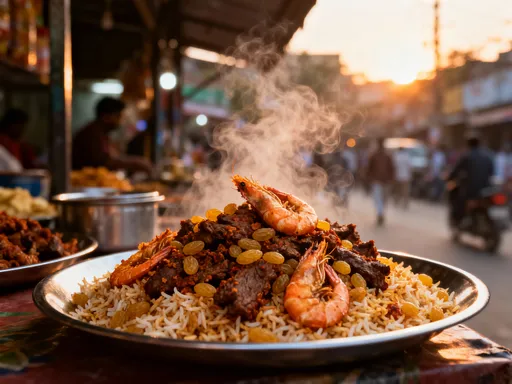
If Cheapside represents the roots of Bridgetown’s food culture, then its street food scene is the branches that reach into every corner of the city. Street food in Bridgetown is not a trend—it is a way of life. For decades, roadside stands and mobile carts have served as the primary source of affordable, satisfying meals for workers, students, and families. These informal eateries operate with remarkable efficiency, turning out piping-hot dishes in minutes, often from the back of a van or a converted trailer. What they lack in decor they make up for in flavor, consistency, and warmth.
One of the most beloved street foods is the Bajan fried fish cutters—sandwiches made with salt cod or flying fish, served on a soft, slightly sweet roll known as “bake.” Often accompanied by a slaw of cabbage, cucumber, and onions dressed in lime and pepper, these cutters are a staple of lunch breaks across the city. Found near bus depots, office buildings, and schools, they are more than just fast food—they are shared experiences. It’s not uncommon to see a group of coworkers standing together on the sidewalk, laughing between bites, or a student sharing half a cutter with a friend who forgot their lunch money. These small acts of generosity reinforce the communal nature of eating in Bridgetown.
Roti trucks, influenced by the island’s Indo-Caribbean heritage, are another pillar of the street food landscape. These vehicles, often brightly painted and adorned with hand-lettered signs, serve steaming portions of curried meat or vegetables wrapped in flaky, golden flatbread. The process is theatrical: the vendor spreads the dough on a hot griddle, flips it with practiced ease, fills it with fragrant curry, and folds it into a portable package. The scent alone draws crowds, and lines often form well before noon. What makes roti special is its inclusivity—it appeals to all ages, incomes, and backgrounds, making it a true unifier in the city’s diverse population.
The social function of street food extends beyond convenience. It creates neutral ground where people from different walks of life interact on equal footing. A judge might stand beside a laborer, both waiting for the same fish cutter. A teacher might chat with a vendor she’s known for years, catching up on family news while her order is prepared. These moments of connection, fleeting as they may be, contribute to a sense of belonging and mutual respect. In a world increasingly dominated by digital isolation, Bridgetown’s street food culture offers a powerful reminder of the value of face-to-face interaction over a shared meal.
Urban Transformation: How Food Is Reshaping Public Spaces
In recent years, Bridgetown has undergone a quiet but profound transformation in how public spaces are used and experienced—much of it driven by food. City planners and community leaders have begun to recognize that food is not just a private act, but a public one, capable of revitalizing underused areas and fostering civic engagement. As a result, initiatives such as pop-up food events, weekend night markets, and pedestrianized zones have become increasingly common, turning streets into stages for culinary celebration.
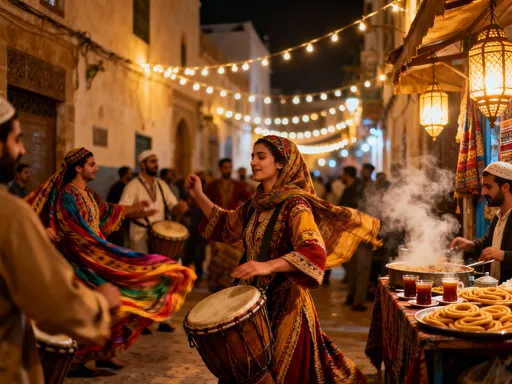
One notable example is the monthly “Taste of Bridgetown” festival, held in the historic Garrison area, a UNESCO World Heritage Site. This event brings together dozens of local vendors, from seasoned restaurateurs to home-based cooks, offering everything from macaroni pie to rum punch. The streets are closed to traffic, strung with lights, and filled with live music, creating an atmosphere of joyful festivity. Families stroll from stall to stall, sampling flavors and supporting small businesses. Such events not only boost local economies but also reclaim public space for community use, reinforcing the idea that cities should be lived in, not just passed through.
Another innovation is the introduction of designated food kiosks in high-traffic areas like the Fairchild Street Transport Centre. These permanent structures provide vendors with safe, hygienic spaces to operate, reducing the chaos of unregulated roadside vending while preserving access to affordable meals. Equipped with running water, waste disposal, and shaded seating, these kiosks improve working conditions for vendors and dining experiences for customers. They represent a thoughtful balance between urban order and cultural authenticity, proving that modernization need not come at the expense of tradition.
Perhaps most significantly, these changes reflect a growing appreciation for informal economies as vital components of urban life. Rather than viewing street vendors as nuisances, city officials now see them as contributors to Bridgetown’s character and resilience. Pilot programs have been launched to provide training in food safety, financial literacy, and branding, empowering vendors to grow their businesses sustainably. This shift in perspective signals a more inclusive vision of urban development—one that values people as much as infrastructure.
Flavors of Fusion: Migration and the Modern Bajan Palate
Bridgetown’s cuisine has always been a reflection of its history—a tapestry woven from African, British, Indian, and indigenous influences. In recent decades, this culinary mosaic has expanded further, shaped by migration and global exchange. As Barbadians travel abroad and immigrants settle on the island, new flavors have quietly entered the mainstream, enriching rather than replacing traditional dishes. The result is a modern Bajan palate that honors its roots while embracing subtle innovation.
Indian influences, brought by indentured laborers in the 19th century, remain deeply embedded in the food culture. Dishes like roti, pelau, and doubles are now considered national staples, their origins respected but their presence normalized. What’s notable is how these foods have been adapted to local tastes—Bajan roti, for instance, often includes locally caught shrimp or conch, and the curry is slightly sweeter and less spicy than its South Asian counterparts. This blending is not about exoticism, but about integration—flavors that have become so familiar they are simply part of the everyday menu.
More recently, Latin American influences have begun to appear, particularly in the form of grilled meats, plantain dishes, and tropical fruit preparations. Venezuelan and Dominican migrants have introduced arepas, empanadas, and fresh fruit stands that now dot the cityscape. While these offerings remain distinct, they coexist peacefully with traditional Bajan fare, often sold side by side at the same markets or events. This culinary coexistence mirrors the broader social fabric of Bridgetown—a city that has long welcomed newcomers and allowed them to contribute to its cultural richness.
Globalization has also brought new ingredients and techniques into home kitchens. Supermarkets now stock soy sauce, tahini, and quinoa alongside provisions like salt fish and cornmeal, reflecting changing tastes and increased access to international goods. Yet, even as Barbadians experiment with fusion recipes—such as jerk chicken sushi or cou-cou with avocado—the core of the cuisine remains intact. The emphasis on fresh, local, and seasonal ingredients ensures that innovation does not come at the cost of authenticity. Bridgetown’s food scene proves that tradition and change are not opposites, but partners in a continuous process of cultural evolution.
Eating Like a Local: Practical Tips for Immersive Food Exploration
For visitors eager to experience Bridgetown’s food culture authentically, a few practical guidelines can make all the difference. First, timing matters. Markets like Cheapside are best visited on Saturday mornings, when the selection is fullest and the atmosphere most vibrant. Street food vendors tend to set up between 7:00 and 9:00 a.m. and remain active until 2:00 or 3:00 p.m., with peak hours around noon. Arriving early ensures access to popular items before they sell out—especially dishes like pudding and souse, a traditional Saturday morning favorite made with sweet potato pudding and pickled pork.
Engaging with vendors respectfully is key to a meaningful experience. A simple “Good morning” or “How you today?” in Bajan patois goes a long way. While English is widely spoken, a friendly greeting in the local dialect shows appreciation for the culture. When ordering, don’t hesitate to ask questions—most vendors are happy to explain their dishes, ingredients, or preparation methods. If you’re unsure what to try, asking “What’s fresh today?” or “What do locals love?” often leads to the best recommendations.
Must-try dishes include cou-cou and flying fish, the national dish, typically served with a rich tomato-based gravy and seasonal vegetables. Bajan black cake, a dense, rum-soaked dessert often enjoyed during holidays, is another highlight. For a quick bite, seek out a reputable roti vendor or a clean, busy fish cutter stand—look for places with high turnover, as this ensures freshness. Avoid unrefrigerated perishables on hot days, and opt for bottled water or coconut water to stay hydrated.
Etiquette is simple but important. Tipping is not expected at street stalls, but rounding up the bill or leaving small change is appreciated. Eating while walking is common, but sitting down at a nearby bench or sharing space with others shows respect for communal areas. Above all, approach the experience with curiosity and humility. Bridgetown’s food culture is not a performance for tourists—it is a lived reality. By participating with respect, visitors become temporary members of the community, sharing not just a meal, but a moment of connection.
Sustaining the Flavor: Challenges and the Future of Urban Food
Despite its vibrancy, Bridgetown’s urban food scene faces real challenges. Climate change is affecting fishing yields and crop reliability, making fresh ingredients harder to source consistently. Rising costs of fuel and imported goods impact both vendors and consumers, threatening the affordability that makes street food accessible to all. Waste management remains a concern, particularly in high-traffic areas where packaging from takeout meals can accumulate if not properly disposed of.
Regulatory hurdles also pose difficulties. While efforts have been made to formalize vending zones, many small operators still lack access to permits, insurance, or financial services. This informal status leaves them vulnerable to displacement or fines, despite their contributions to the city’s economy and culture. Balancing public health standards with the realities of small-scale, low-margin operations remains a complex task for policymakers.
Yet, there is reason for optimism. Community-led initiatives are emerging to address these issues. Urban gardening projects in neighborhoods like St. Michael are promoting local food production, reducing reliance on imports. Youth entrepreneurship programs are training the next generation of food vendors in sustainable practices, digital marketing, and financial management. Nonprofits and cooperatives are helping vendors access microloans and collective bargaining power, ensuring they can thrive rather than just survive.
The future of Bridgetown’s food culture lies in this spirit of resilience and adaptation. It is a city that has always fed itself through ingenuity and solidarity, and those values remain strong. As long as there are hands kneading dough, pots simmering over open flames, and neighbors sharing a meal on a busy corner, the soul of the city will continue to be nourished. The flavors may evolve, but the heart of Bridgetown’s urban food pulse beats steadily on.
Bridgetown’s food scene is more than sustenance—it’s the soul of its urban space. Every meal connects people, history, and place. To eat here is to understand the city from the inside out. The future of Bridgetown isn’t just built in concrete; it’s simmered in pots, shared on corners, and served with pride.