You Won’t Believe What I Ate in Chittagong — A Food Lover’s Dream Come True
If you think you know Bangladeshi food, think again. I recently explored Chittagong, and honestly, the flavors blew my mind. From sizzling street bites to coastal seafood feasts, this port city serves up dishes you won’t find anywhere else. It’s not just about spice—it’s about layers of taste, tradition, and unexpected twists. Let me take you on a journey through its most authentic, mouthwatering dining experiences. What makes Chittagong so special isn’t only the ingredients or recipes, but the deep cultural rhythm that pulses through every meal. Here, food is not a mere daily necessity—it’s a celebration of heritage, community, and the sea that shapes life along this stretch of Bangladesh’s southeastern coast.
Why Chittagong Stands Out in Bangladesh’s Food Scene
Chittagong’s culinary identity is unlike any other city in Bangladesh, shaped by its unique geography, history, and multicultural population. Nestled between the hills and the Bay of Bengal, it benefits from both marine abundance and fertile highlands, giving rise to a diverse range of ingredients. The city has long been a maritime trading hub, welcoming merchants, sailors, and settlers from across South and Southeast Asia. This historical role allowed for a rich exchange of flavors, especially from Arakanese (Rakhine) communities from Myanmar, indigenous Tripuri people, and various Bengali subgroups, all of whom have contributed distinct cooking techniques and ingredient preferences.
Unlike the more homogenized food culture found in the capital, Dhaka, or even the tea-infused cuisine of Sylhet, Chittagong’s dishes reflect a bolder, more layered flavor profile. The use of fermented fish known as shutki, pungent mustard pastes, and slow-cooked meat preparations sets the foundation for many traditional meals. These elements are not merely about taste—they’re about preservation methods developed over centuries in a humid, tropical climate where refrigeration was once unavailable. As a result, the cuisine evolved to be robust, deeply savory, and intensely aromatic, capable of lasting through the day without spoiling.
Another defining factor is the city’s proximity to the sea. Fresh fish, prawns, crabs, and shellfish are delivered daily from local fishing boats, ensuring that seafood plays a central role in the diet. Meanwhile, the nearby Chittagong Hill Tracts provide access to rare herbs, wild greens, and hill-grown vegetables that are rarely seen in other parts of the country. This blend of coastal and highland resources creates a distinctive balance—rich, briny seafood paired with earthy, slightly bitter greens and fermented accompaniments. It’s this interplay of contrasts that makes Chittagong’s food so memorable and unlike anything else in the region.
The Heart of Chittagong Dining: Local Eateries and Street Food Culture
To truly understand Chittagong’s food culture, one must dive into its vibrant street food scene. In neighborhoods like Andarkilla and near the Ethnological Museum, the evening air comes alive with the sizzle of grills, the aroma of spices, and the chatter of locals gathering around open-air stalls. These are not tourist traps—they’re community hubs where generations have come to eat, socialize, and unwind after long days. The energy is electric, especially after sunset, when food vendors set up their carts and families begin to stream in for late-night snacks and steaming cups of tea.
One of the most iconic dishes you’ll encounter is mejbani meat, a slow-cooked beef curry traditionally served at weddings and special occasions. In Chittagong, it’s often prepared with a unique blend of spices including black cardamom, cinnamon, cloves, and a touch of chili for heat. The meat simmers for hours until it falls apart at the touch of a spoon, absorbing the deep, smoky flavors of the masala. Street vendors serve it with naan or paratha, making it an accessible yet deeply satisfying meal. What sets the local version apart is the use of mustard oil and a hint of tamarind, which adds a tangy complexity often missing in other regional interpretations.
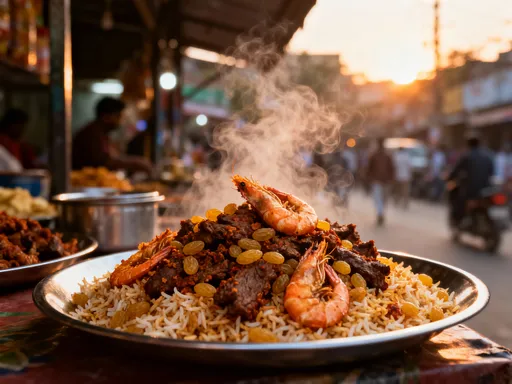
Another must-try is Chittagonian biriyani, which differs significantly from the more common Dhaka-style version. Instead of being layered and baked, Chittagonian biriyani is stir-cooked, giving it a looser texture and more intense spice profile. What truly distinguishes it is the addition of fried prawns or small pieces of shutki, which infuse the rice with a salty umami depth. Served with a side of borhani—a spiced yogurt drink that aids digestion—this biriyani is a full sensory experience. It’s bold, aromatic, and deeply rooted in the city’s coastal identity.
Equally important are the humble yet flavorful shutki-based curries. While the smell of dried fish may be off-putting to some visitors, it’s a cherished ingredient among locals. When cooked properly—with onions, garlic, green chilies, and mustard oil—it transforms into a rich, savory dish often paired with steamed rice. Many families still prepare shutki at home, especially during monsoon season when fresh fish is harder to come by. For travelers willing to step outside their comfort zone, trying shutki curry is not just a taste adventure, but a window into the resilience and ingenuity of Chittagong’s culinary traditions.
Seafood Like No Other: Fresh Catches and Coastal Flavors
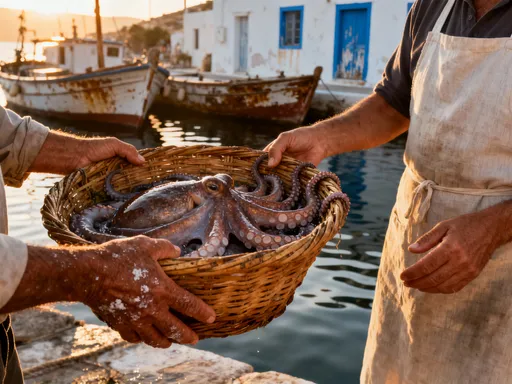
The Bay of Bengal is the lifeblood of Chittagong’s cuisine, and nowhere is this more evident than in its seafood offerings. Each morning, fishing boats return to ports like Panchlaish and Patenga with their nets full of the day’s catch—silvery pomfret, plump crabs, succulent prawns, and the prized hilsha, Bangladesh’s national fish. The freshness is unmatched; many restaurants and home cooks buy directly from the docks, ensuring that fish goes from boat to plate within hours.
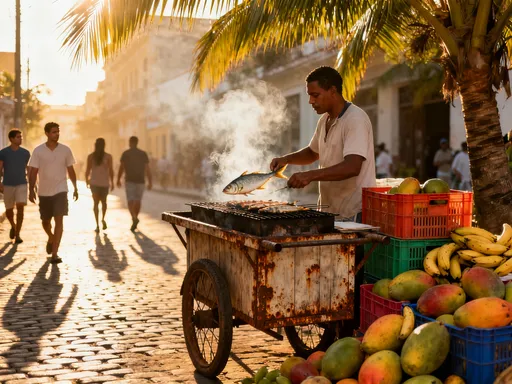
Grilled pomfret is one of the simplest yet most exquisite dishes available. Lightly marinated with salt, turmeric, and chili, the fish is cooked over charcoal, giving it a smoky crust while keeping the flesh moist and flaky. It’s often served with a wedge of lime and a side of onion salad, allowing the natural sweetness of the fish to shine. Unlike heavily spiced preparations found elsewhere, this method emphasizes purity of flavor, letting the ocean’s essence take center stage.
Crab preparations in Chittagong are equally impressive. One popular dish is crab in mustard sauce, where fresh crab is simmered in a pungent blend of ground mustard seeds, yogurt, and green chilies. The result is a creamy, spicy stew that pairs perfectly with steamed rice. The mustard not only enhances the flavor but also acts as a natural preservative, a technique passed down through generations. Another favorite is fried hilsha, a delicacy prepared with minimal seasoning to preserve its rich, oily texture. Whether pan-fried or grilled, hilsha is treated with reverence, often reserved for special meals or family gatherings.
Visiting the Panchlaish fish market offers a firsthand look at how integral seafood is to daily life. The market buzzes with activity from early morning, as vendors display their catches on ice-covered slabs. Customers—mostly women managing household meals—inspect each fish carefully, checking the eyes, gills, and firmness of the flesh. Hygiene standards have improved in recent years, with regular water washing and shaded areas to prevent spoilage. For visitors, a trip to the market is both educational and inspiring, revealing the care and knowledge that go into selecting ingredients before they even reach the kitchen.
Hidden Gems: Family-Run Restaurants and Home Dining Experiences
Beyond the busy streets and popular eateries lie some of Chittagong’s most authentic culinary treasures—family-run restaurants and home kitchens that operate quietly, known only to locals. In neighborhoods like Pahartali and Patenga, small establishments serve dishes passed down through generations, often unchanged for decades. These places don’t advertise; they rely on word-of-mouth and loyal customers who return week after week for the same comforting meals.
One such gem is a modest eatery tucked behind a residential lane in Pahartali, where an elderly couple prepares kala bhuna—a dark, caramelized beef dish slow-cooked with spices and onions until it develops a deep, almost molasses-like richness. The secret lies in the cooking time: the meat is stirred continuously for hours, preventing burning while allowing the sugars to caramelize slowly. It’s typically served with paratha or naan, and a small bowl of spicy pickle on the side. Diners sit on simple plastic chairs, eating with their hands, immersed in the warmth of home-style hospitality.
Even more intimate are the growing number of home-dining experiences, where families open their kitchens to visitors seeking an authentic taste of Chittagong life. These are usually arranged through personal connections or local guides, and they offer a rare glimpse into domestic routines and generational recipes. I had the privilege of sharing a meal with a local family in the Halishahar area, where we sat on floor cushions and enjoyed a spread that included shutki vorta (mashed dried fish with onions and chilies), lentil dal, steamed rice, and homemade achar (pickle). The conversation flowed easily over cups of sweet milk tea, and I was struck by how food served as both nourishment and connection.
These home meals are not performative—they’re genuine expressions of everyday life. The mother of the household explained that many of the dishes were taught to her by her grandmother, and she now prepares them for her children with the same care. There’s no attempt to modify flavors for foreign palates; what you get is real, unfiltered Chittagonian cuisine. For travelers seeking depth over spectacle, these experiences are invaluable. They remind us that the heart of any food culture lies not in grand restaurants, but in the homes where traditions are kept alive.
Balancing Tradition and Modern Taste: Emerging Cafés and Fusion Trends
While Chittagong remains deeply rooted in its culinary heritage, a new wave of dining spaces is beginning to emerge—cafés and boutique eateries that blend tradition with modern sensibilities. Located primarily in residential areas like Agrabad and Nasirabad, these venues cater to younger professionals, students, and returning expatriates who appreciate innovation without losing touch with their roots. The atmosphere is relaxed, often featuring minimalist décor, soft lighting, and background music, creating a contrast to the bustling street stalls and family-run joints.
One trend gaining popularity is the reinvention of classic dishes in convenient, contemporary formats. For example, some cafés now offer biriyani sliders—miniature buns filled with spiced rice, shredded meat, and a touch of borhani sauce. These are perfect for quick lunches or social gatherings, offering the essence of a beloved meal in a portable form. Similarly, dessert menus feature modern takes on traditional sweets, such as payesh (rice pudding) served in mason jars with toppings like crushed nuts, saffron threads, or even a hint of rose syrup. These subtle updates make heritage flavors more accessible to younger generations without diluting their significance.
Another sign of evolving tastes is the increasing availability of fusion dishes. Some chefs are experimenting with global techniques while using local ingredients—for instance, preparing crab cakes with Chittagonian mustard paste or serving hilsha tartare with puffed rice crackers. These creations are not about replacing tradition, but about expanding its reach. Young chefs often speak of their work as a form of cultural preservation, using innovation to keep older recipes relevant in a changing world.
Importantly, these modern spaces maintain respect for authenticity. Even when presenting updated versions of dishes, they emphasize sourcing from local markets and using traditional spice blends. Many display information about the origins of their ingredients or the stories behind certain recipes, educating diners while they eat. This balance between reverence and reinvention ensures that Chittagong’s food culture continues to thrive, adapting to new times without losing its soul.
Practical Tips for Navigating Chittagong’s Food Scene
For visitors eager to explore Chittagong’s rich food landscape, a few practical considerations can make the experience safer, more enjoyable, and more authentic. First, timing matters. Street food vendors and local restaurants are at their best in the late afternoon and evening, when dishes are freshly prepared and crowds begin to gather. Fish markets like Panchlaish are most active in the early morning, usually between 6:00 and 9:00 a.m., making this the ideal window to observe the freshest catches and interact with vendors.
Hygiene is understandably a concern for many travelers, but it’s possible to identify clean, well-run food stalls with a few simple observations. Look for places with high customer turnover—this indicates freshness and confidence among locals. Watch how food is handled: ideally, vendors should use tongs or clean spoons rather than bare hands when serving. Also, check whether water is used for washing utensils or hands; running water or bottled water is a good sign. Many reputable stalls now use disposable plates and cutlery, reducing cross-contamination risks.
When it comes to transportation, ride-sharing apps like Pathao and Nagad are widely available in Chittagong and offer a safe, affordable way to move between neighborhoods. For those planning to visit off-the-beaten-path locations—such as remote hillside villages or coastal fishing enclaves—hiring a local guide is highly recommended. Guides not only ensure safe navigation but also provide valuable context about the food, history, and customs of the areas you visit. They can help arrange home dining experiences, translate menus, and introduce you to family-run eateries that don’t appear on any map.
Finally, come with an open mind and a respectful attitude. While Chittagong is welcoming to visitors, it’s important to approach the food culture with humility. Avoid making negative comments about strong flavors or unfamiliar ingredients like shutki. Instead, ask questions, show appreciation, and express gratitude. A simple smile or compliment can go a long way in building trust and opening doors to deeper experiences. Remember, you’re not just eating—you’re participating in a living tradition.
Final Thoughts: Why Food in Chittagong Is More Than a Meal
Dining in Chittagong is not simply about satisfying hunger—it’s about connection. Every bite tells a story of the sea, the hills, the traders, and the families who have preserved their recipes through generations. The city’s food is bold, complex, and deeply human, reflecting both the challenges and joys of life in this dynamic corner of Bangladesh. To eat here is to engage with history, to share in community, and to understand a way of life shaped by nature and tradition.
Too often, travelers stick to familiar flavors or stick to tourist-friendly menus. But Chittagong invites you to go deeper. It asks you to embrace the unfamiliar—the pungent aroma of shutki, the fiery kick of mustard curry, the richness of kala bhuna—and in doing so, discover a new dimension of taste and culture. These are not just dishes; they are acts of hospitality, expressions of identity, and gifts from one family to another.
So if you ever find yourself in southeastern Bangladesh, don’t just pass through. Stay awhile. Sit at a roadside stall, share a meal with a local family, wander through a fish market at dawn. Let the flavors surprise you, challenge you, and ultimately, move you. Because Chittagong doesn’t just feed your stomach—it feeds your soul. And once you’ve tasted its truth, you’ll carry it with you long after you’ve left its shores.