This Is What Local Life Tastes Like in Mykonos
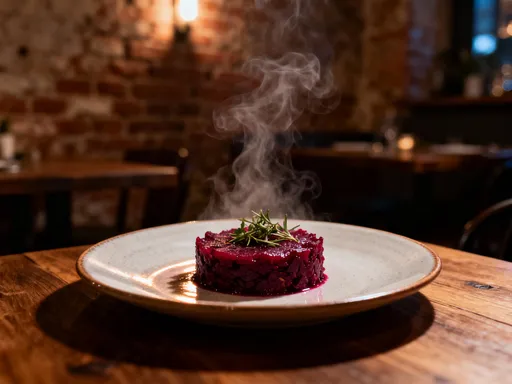
You know that feeling when you’re no longer just a tourist, but someone actually tasting the soul of a place? That’s exactly what happened when I wandered off the postcard-perfect streets of Mykonos and into its culinary heartbeat. Beyond the famous windmills and beach clubs, real flavors hide in family-run taverns, morning markets, and islanders’ kitchens. This isn’t about Instagram views — it’s about olive oil drizzled fresh from a village press, salty feta made at dawn, and tomatoes that taste like summer should. It’s about the scent of thyme carried on sea breezes, the warmth of a baker handing you a still-warm koulouri, and the quiet pride in a grandmother’s voice as she describes how her louza cures for weeks under the Aegean sun. This is not the Mykonos of headlines. This is the Mykonos that eats, shares, and remembers.
The Myth vs. The Meal: Uncovering Mykonos Beyond the Glamour
Mykonos is often portrayed as a glittering stage for the global elite — a place of designer swimsuits, celebrity sightings, and thumping beach clubs where champagne flows like seawater. And while that version exists, especially in the summer months, it is only one layer of a much deeper reality. For the families who have lived on the island for generations, life unfolds at a different pace, centered not around pool parties but around harvests, fishing tides, and Sunday meals that stretch for hours. The myth of Mykonos as a playground overshadows its identity as a working island, where food is not a performance but a necessity, a tradition, and a language of care.
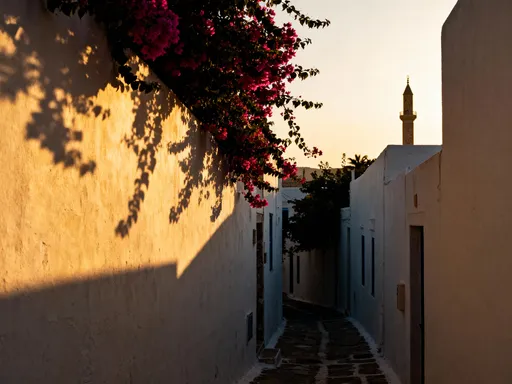
Travelers drawn to the island’s fame often miss the quieter corners where authentic life thrives. In villages like Ano Mera, far from the whitewashed alleys of Chora, life moves with the rhythm of roosters and church bells. Here, women gather in courtyards to shell fava beans, and men tend small plots of land where drought-resistant plants flourish in rocky soil. These communities remain largely untouched by tourism’s tidal wave, not out of resistance, but because their routines were established long before visitors arrived. The food they eat is not adapted for outside palates — it is shaped by centuries of scarcity, ingenuity, and deep respect for what the land and sea provide.
What makes this culinary culture resilient is its foundation in family. Recipes are not written down; they are passed from mother to daughter, grandfather to grandson, through repetition and observation. A dish like kopanisti, a sharp, whipped cheese often served with bread, is not just a meal — it is a living heirloom. Its preparation varies slightly from household to household, each version carrying the imprint of memory and place. When tourists flock to high-end restaurants for “authentic” Greek food, the real tradition continues quietly in homes where no menu is needed, and every bite tells a story of survival, celebration, and belonging.
A Day in the Life: Following the Rhythm of Island Eating
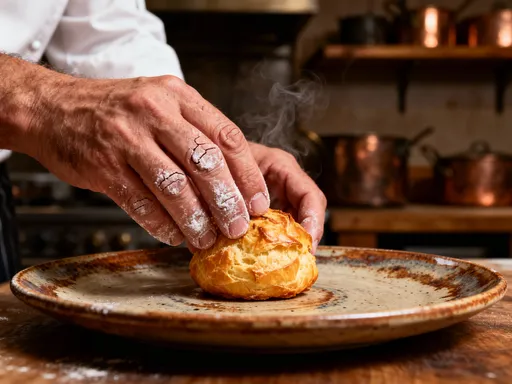
To eat like a local in Mykonos is to follow the sun. The day begins early, not with coffee from a chain cafe, but with a stop at a neighborhood bakery where the air is thick with the scent of sesame and wood-fired ovens. The koulouri — a golden, circular bread ring coated in sesame seeds — is the island’s true breakfast staple. Sold from simple carts or small family-run shops, it is often eaten on the walk to work, cradled in one hand while the other holds a cup of strong Greek coffee. There is no rush, no to-go cup; even in motion, the act of eating is deliberate, almost reverent.
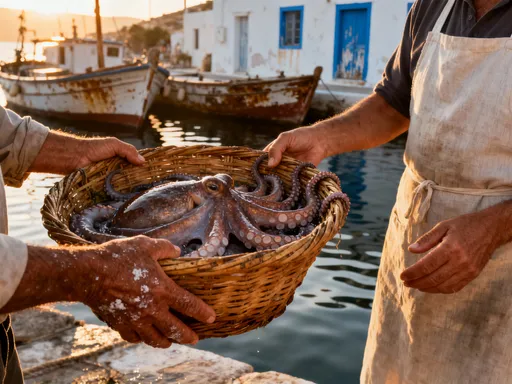
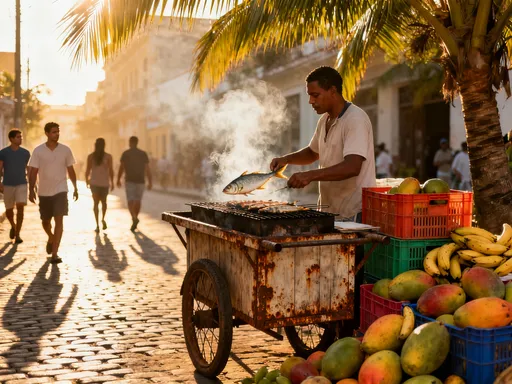
By mid-morning, the markets begin to stir. Fishermen unload their catch at small harbors like Agios Stefanos, where gulls circle overhead and crates of sea bream, sardines, and octopus are sorted with practiced hands. These will become the day’s meze — small plates that form the heart of Greek dining. A typical platter might include grilled halloumi, marinated octopus, dolmades (stuffed grape leaves), and a simple tomato and cucumber salad dressed with local olive oil and a sprinkle of oregano. The meal is not rushed. It is shared, accompanied by conversation, laughter, and often a glass of crisp white wine from a nearby island like Paros or Naxos.
Summer dining in Mykonos is shaped by the heat. Meals are lighter, centered around fresh seafood, chilled watermelon, and tzatziki served with warm pita. Evenings are for slow dining, when families gather at outdoor tables as the sun dips below the horizon. In winter, the rhythm shifts. The island quiets, and the cuisine grows heartier. You’ll find stamnagathi, a bitter wild green sautéed with garlic and lemon, and fasolada, a rich white bean soup simmered for hours with carrots and celery. These dishes reflect the island’s history of making do with what’s available, turning simple ingredients into deeply satisfying meals. The seasonal shift is not just culinary — it is a reflection of the island’s relationship with nature, one that tourists rarely witness but locals live by.
The Heart of the Table: Key Ingredients That Define Mykonian Flavors
The taste of Mykonos is not accidental. It is shaped by the island’s unique environment — a dry, windswept landscape where only the hardiest plants thrive. This climate concentrates flavors, making even the simplest ingredients taste intense and alive. At the center of the Mykonian table are a few essential elements: kopanisti cheese, capers, tomatoes, olive oil, and thyme honey. Each carries the imprint of the island’s terroir, and each plays a vital role in daily meals.
Kopanisti is perhaps the most distinctive. Made from sheep’s or goat’s milk, it is aged and then whipped with red pepper, giving it a tangy, spicy kick. It is not a cheese for the faint of heart, but for locals, it is comfort food — spread on warm bread for breakfast or served as a meze with a glass of raki. The process is labor-intensive and unchanged for generations. One elderly cheesemaker in Ano Mera explained, “The wind keeps the humidity low, so the cheese dries faster and develops more flavor. This is not something you can make anywhere else.”
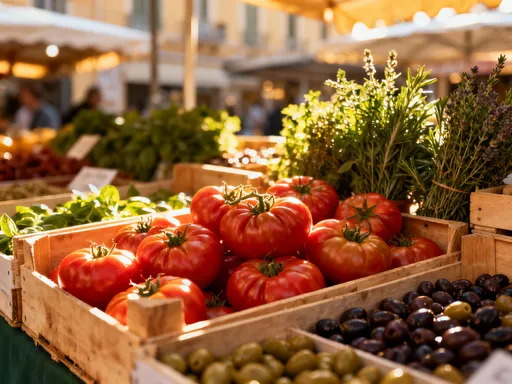
Capers, too, are a point of pride. Wild capers grow in the island’s rocky crevices, hand-foraged by locals who know exactly where to look. Picked young and brined in salt and vinegar, they add a bright, briny punch to salads, fish dishes, and sauces. Similarly, Mykonos’ tomatoes are small but powerful — grown in nutrient-poor soil, they develop a deep sweetness that store-bought varieties can’t match. Sun-dried versions are stored in olive oil and used throughout the year, a preservation method born of necessity but now cherished for its flavor.
Then there is honey — thick, golden, and fragrant with wild thyme. Beekeepers on the island’s outskirts maintain small hives, allowing their bees to forage freely on native herbs. The result is a honey that tastes of the hills and sea air, often drizzled over yogurt or used to sweeten homemade pastries. These ingredients are not just food; they are expressions of place, each one a thread in the fabric of Mykonian identity.
Where Locals Eat: Tavernas and Hidden Spots Off the Tourist Map
If you want to eat where the locals eat, you must learn to look beyond the guidebooks. The best tavernas in Mykonos don’t have neon signs or Instagrammable facades. They are unassuming — a simple stone building with a few wooden tables, a chalkboard menu written in Greek, and the scent of grilled fish drifting from the kitchen. These are places where fishermen eat after their morning haul, where families gather for Sunday lunch, and where the owner greets regulars by name.
One such place is a waterfront taverna in the fishing village of Agios Stefanos. There is no website, no online reservation system — only a phone number scribbled on a piece of paper taped to the door. The menu changes daily, depending on what was caught that morning. A plate of fried barbounia (red mullet) arrives crisp-skinned and served with a wedge of lemon and a simple salad. The octopus is tender, grilled over charcoal, and marinated in olive oil and oregano. The wine is poured from a carafe, unpretentious and perfect with the food.
Another favorite is a hillside taverna near Ano Mera, reachable by a narrow dirt road. It is run by a couple in their sixties who grow much of their own produce and raise chickens in the backyard. Their specialty is stifado — a rich rabbit stew slow-cooked with onions, tomatoes, and spices. It is not on every menu because it takes hours to prepare, but those who know, go. The trick to finding these places? Ask at the bakery. Strike up a conversation with the woman selling vegetables at the market. Arrive early, before the tourist buses arrive. Or simply follow your nose — the smell of grilled fish and wood smoke is a better guide than any app.
These tavernas are not hidden out of secrecy, but because they don’t need to advertise. Their reputation is built on consistency, warmth, and food made with care. They are not trying to impress — they are trying to feed. And in doing so, they offer something rare: a meal that feels like home, even if you’ve never been there before.
Cooking with the Source: Farmers’ Markets and Food Producers
To understand Mykonos’ food culture, you must visit its markets. Every Thursday, the main square of Ano Mera transforms into a bustling farmers’ market, where locals gather to buy what they need for the week. Stalls overflow with seasonal produce: bunches of wild greens, baskets of figs, crates of lemons, and jars of honey. There are no plastic-wrapped packages here — everything is loose, fresh, and displayed with pride.
One stall is run by an elderly woman who forages for stamnagathi and vlita (a type of green amaranth) in the hills each morning. She washes them by hand and bundles them in newspaper. “These are not grown in a field,” she says. “They grow where they want, strong from the wind and sun.” Another vendor sells olive oil from his family’s grove, pressed just weeks earlier. He offers samples in tiny plastic cups, urging customers to smell the grassy aroma and taste the peppery finish.
But the market is more than a place to shop — it is a social hub. Neighbors catch up, children run between stalls, and recipes are exchanged as freely as goods. It is here that you meet artisans like Yiannis, a beekeeper who keeps 30 hives on the northern coast. “The bees love the thyme,” he says, “and the honey it makes is medicine as much as food.” Or Maria, who spends her autumn curing louza — a traditional Mykonian delicacy made from pork loin marinated in wine, vinegar, and spices, then air-dried for weeks. “It’s not hard,” she insists, “but it takes patience. And love.”
These producers represent a culture of self-reliance that still thrives on the island. They do not depend on imports or supermarkets. Instead, they grow, raise, forage, and preserve what they need. Their work is not glamorous, but it is essential — a quiet resistance to mass production and a commitment to keeping tradition alive, one jar of honey, one wheel of cheese, one cured meat at a time.
From Sea to Plate: The Role of Fishing in Daily Cuisine
Fishing is not just an industry in Mykonos — it is a way of life. For centuries, the sea has provided for island families, shaping their diets, schedules, and identities. While large-scale commercial fishing exists, many locals still rely on small boats and traditional methods. At dawn, you can see them returning to quiet coves, their nets heavy with the night’s catch. The fish they bring in — bream, sardines, octopus, and the prized gaidoura (donkey fish) — go straight to market or to the kitchens of family-run tavernas.
Gaidoura, in particular, is a local favorite. It may not sound appealing — the name means “donkey” — but its firm, flavorful flesh is perfect for slow-cooked stews. One fisherman explained, “It’s not beautiful, but it’s strong. Like us.” The stew, often made with tomatoes, onions, and a splash of white wine, is a staple in winter, when the sea is rough and fishing is harder. It is not a dish designed for tourists; it is food born of necessity, passed down because it works.
Sustainability is woven into these practices, though it is rarely spoken of. Fishermen take only what they need, respecting seasonal cycles and avoiding overfishing. Nets are checked daily, and undersized fish are returned to the sea. There are no certifications or labels — just a deep, unspoken understanding that the sea must be protected if it is to continue feeding them. When you eat fresh fish in a local taverna, you are not just consuming a meal — you are participating in a centuries-old relationship between people and the sea, one that values balance, respect, and gratitude.
Carrying the Taste Home: How to Bring Mykonos’ Flavors Back with You
The true measure of a journey is not what you see, but what you carry home. In Mykonos, that might be a jar of thyme honey, a wedge of kopanisti wrapped in wax paper, or a handwritten recipe for stifado. These are not souvenirs — they are connections. They are ways to extend the experience beyond the trip, to recreate a moment of warmth, flavor, and belonging in your own kitchen.
When shopping for ingredients, go to the source. Avoid the tourist shops selling “local” products that were made elsewhere. Instead, visit the farmers’ market, ask questions, and buy directly from producers. A small bottle of olive oil from a family grove may cost more than a supermarket version, but it carries the taste of the land and the story of the people who made it. Similarly, a block of feta stored in brine, bought from a village dairy, will have a depth of flavor no mass-produced cheese can match.
Learning a few simple recipes can also deepen the connection. Try making a basic meze platter with grilled octopus, marinated olives, and a tomato-cucumber salad. Or simmer a pot of fasolada, letting the beans cook slowly until they melt into the broth. These dishes are not complicated, but they require time and attention — qualities that mirror the island’s approach to food. When you host a Mykonian-style dinner, you are not just serving food; you are inviting others into a way of life.
But the most important thing to bring home is respect. Authenticity cannot be copied; it must be honored. Eating like a local is not about imitation — it is about appreciation. It is about understanding that food is more than fuel. It is memory, identity, and hospitality. When you taste Mykonos not as a spectacle, but as a shared meal, you begin to understand what it means to belong.
More Than a Meal — A Taste of Belonging
Eating locally in Mykonos is not a performance. It is not about finding the trendiest restaurant or snapping the perfect photo. It is about sitting at a wooden table as the sun sets, sharing a plate of grilled fish with people who welcome you without fanfare. It is about biting into a tomato that tastes like sunlight, or sipping honeyed yogurt made with milk from goats that graze on thyme-covered hills. These moments are quiet, unremarkable in the grand scheme of travel, and yet they are everything.
When you eat as the locals do, you are not just tasting food — you are tasting a way of life. One shaped by wind and sea, by generations of care, by the simple act of gathering around a table. In a world that often feels fast and fragmented, Mykonos offers a reminder: that nourishment is not just physical, but emotional and spiritual. That to be fed is to be seen, to be included, to be part of something lasting.
This is the true flavor of the island — not in its glamour, but in its generosity. Not in its fame, but in its quiet, everyday grace. To taste it is to be changed, not dramatically, but deeply. And when you return home, you carry more than recipes. You carry the memory of belonging — and the knowledge that, somewhere, a table is set, and there is room for you.