You Won’t Believe These Hidden Photo Spots in Pretoria’s Urban Hotspots
Pretoria isn’t just government buildings and jacaranda trees—there’s a vibrant, photogenic side hiding in plain sight. As someone who thought I’d seen it all, I was blown away by how much visual energy pulses through its commercial districts. From street art alleyways to sunlit plazas, every corner tells a story. If you're chasing authentic urban shots that feel alive, not staged, this city delivers. Let me show you where the real magic happens.
Why Urban Photography in Pretoria Surprises First-Time Visitors
Pretoria, often recognized as South Africa’s administrative capital, carries a formal reputation—neatly lined avenues, stately government institutions, and an aura of bureaucratic order. Yet beneath this composed surface lies a dynamic urban rhythm that many overlook. The city’s commercial districts pulse with life, color, and texture, offering photographers a rich tapestry of everyday moments waiting to be captured. What surprises most first-time visitors is not just the beauty, but the authenticity of these scenes—unstaged, unfiltered, and deeply human.
The charm of Pretoria’s urban photography lies in its duality. On one hand, you have historic architecture with ornate facades and wide boulevards shaded by towering jacaranda trees. On the other, there’s a growing creative pulse—pop-up markets, street art installations, and bustling pedestrian zones where young professionals, students, and families cross paths. This blend of old and new creates a layered visual narrative, where every photograph can tell multiple stories at once. The city doesn’t force its beauty; it reveals it gradually, to those who take the time to look.
Light plays a crucial role in shaping these moments. In the early morning, soft golden rays filter through tree canopies, casting delicate patterns on sidewalks and storefronts. By midday, the contrast between shadow and sun creates bold geometric compositions, especially in plazas and open-air markets. And as evening falls, warm artificial lighting from cafes and storefronts brings a cozy intimacy to the streetscape. Understanding how light interacts with Pretoria’s varied architecture and public spaces allows photographers to anticipate the best moments for compelling images.
What truly sets Pretoria apart is the seamless integration of daily life into its visual landscape. Unlike curated tourist spots, the city’s commercial areas thrive on organic movement—commuters rushing between appointments, vendors arranging their goods, artists painting murals during lunch breaks. These are not staged scenes, but real-life vignettes that unfold naturally. For photographers, this means opportunities for candid, emotionally resonant shots that reflect the soul of the city. The key is patience and presence—being ready to capture the moment when a laugh echoes down a cobblestone lane or sunlight catches a cyclist’s silhouette against a mural.
Hatfield Village: Where Student Life Meets Street Style
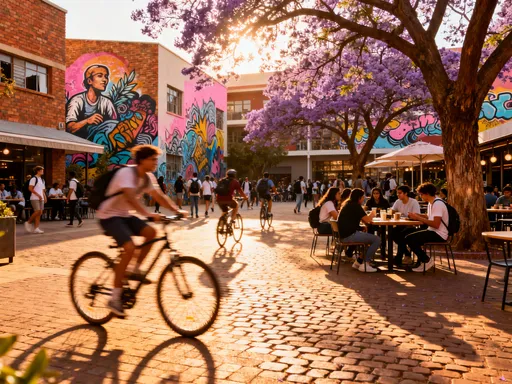
Hatfield Village stands as one of Pretoria’s most vibrant urban hubs, where academic energy converges with modern street culture. Nestled along the edge of the University of Pretoria’s main campus, this walkable district thrives on youthful creativity and spontaneous interactions. Cafes spill onto sidewalks, pop-up fashion stalls appear on weekends, and the hum of conversation blends with music from open-air speakers. For photographers, Hatfield offers a dynamic environment filled with movement, color, and expressive fashion—ideal for capturing the spirit of young urban life.
The best time to photograph in Hatfield is late morning to early afternoon, when natural light floods the open plazas and side streets. During these hours, the sun casts soft highlights on faces, clothing textures, and café awnings, enhancing the vibrancy of the scene. Weekends are particularly lively, with students gathering for coffee, study groups, or weekend markets. This is when the area feels most alive, offering endless opportunities for candid photography—friends laughing over lattes, musicians performing on corners, or street vendors arranging handmade jewelry.
When photographing people in motion, it’s important to balance artistic intent with ethical awareness. While capturing authentic moments is the goal, respecting personal space and privacy remains essential. One effective approach is to shoot from a slight distance, using a zoom lens or smartphone telephoto mode to maintain a respectful buffer. This allows you to document natural expressions and interactions without intrusion. Additionally, seeking permission when focusing on individuals—especially vendors or performers—builds trust and often leads to more engaging portraits.
Another advantage of Hatfield’s layout is its mix of open spaces and narrow walkways, which create varied compositional possibilities. Wide-angle shots can capture the full energy of a crowded sidewalk, while tighter frames highlight details like a hand-painted sign, a colorful sneaker, or steam rising from a coffee cup. Reflections in café windows add another layer of visual interest, offering dual perspectives of street life and interior spaces. By experimenting with angles and focal points, photographers can turn ordinary moments into compelling visual stories.
The Jacaranda-Framed Elegance of Church Square
At the heart of Pretoria’s historic core lies Church Square, a landmark that embodies the city’s architectural heritage and ongoing urban vitality. Surrounded by grand 19th-century buildings with intricate stonework and arched colonnades, the square serves as both a tourist attraction and a functional public space. Trams glide along its edges, cyclists weave through foot traffic, and office workers pause for fresh air between meetings. For photographers, Church Square offers a rare blend of timeless elegance and contemporary movement—an ideal setting for images that balance history and modernity.
The most iconic feature of Church Square is its seasonal transformation during the jacaranda bloom. Each October and November, the surrounding trees burst into vibrant purple, casting a dreamlike hue over the entire plaza. Photographers flock to the area during this time, seeking to capture the ethereal contrast between the delicate blossoms and the solid stone architecture. To avoid crowds, the best strategy is to arrive early in the morning, just after sunrise. At this hour, the square is often quiet, with soft light filtering through the canopy, creating a serene and almost meditative atmosphere.
When photographing the interplay between nature and architecture, consider using leading lines and framing techniques. The arcades surrounding the square naturally guide the eye toward central monuments or distant tram tracks, making them ideal for structured compositions. Shooting from ground level can emphasize the reflection of jacaranda petals on wet pavement after a light rain, adding depth and texture to the image. For a more intimate perspective, focus on smaller details—the way a single flower rests on a windowsill, or how sunlight dapples through leaves onto a passerby’s coat.
Church Square is also a prime location for capturing human movement within a historic context. The occasional passing tram provides a rhythmic element, its vintage design contrasting with modern pedestrians. Cyclists in business attire, delivery workers on scooters, and tourists pausing for photos all contribute to the layered narrative of urban life. Using a slightly slower shutter speed can introduce motion blur, emphasizing the flow of activity while keeping the architecture sharply defined. This technique enhances the sense of time and place, turning a static scene into a living moment.
Arcadia Market & Design District: A Creative Hub on the Rise
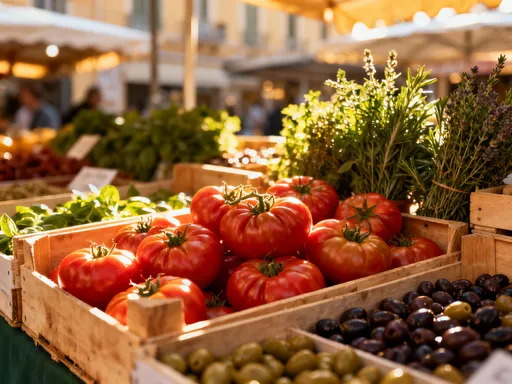
Every weekend, the Arcadia Precinct transforms into a thriving creative marketplace, drawing artisans, food lovers, and design enthusiasts from across the city. The Arcadia Farmers Market and adjacent design studios have become synonymous with authenticity, sustainability, and community-driven culture. For photographers, this area is a treasure trove of textures, colors, and human connection—each stall offering a new story, from hand-thrown ceramics to organic produce arranged in rustic wooden crates.
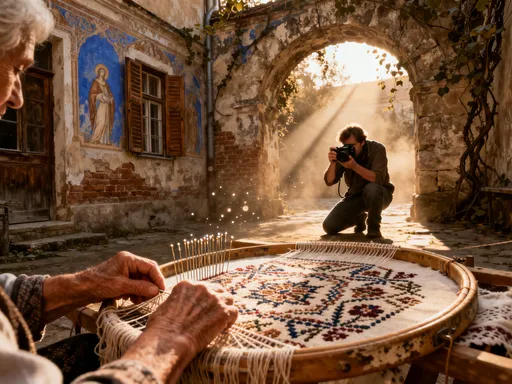
One of the most compelling aspects of the market is its emphasis on craftsmanship. Vendors take pride in their work, often demonstrating their skills on-site—potters shaping clay, bakers pulling fresh loaves from ovens, or textile artists weaving intricate patterns. These moments of creation are golden opportunities for storytelling photography. Capturing a potter’s hands in motion, dusted with fine clay, or a chef drizzling honey over artisanal cheese, allows viewers to feel the care and intention behind each product. Close-up shots that focus on texture—rough linen, glossy glaze, or the fibrous skin of a pumpkin—add tactile richness to your portfolio.
The open-air layout of the market encourages natural exploration, with winding pathways and shaded seating areas that invite lingering. This organic flow creates ideal conditions for candid photography. Children reaching for samples, couples sharing a bite of gourmet food, or elderly shoppers examining handmade soaps—all these interactions unfold naturally, offering genuine emotional resonance. To preserve authenticity, avoid posing subjects unless invited. Instead, observe and anticipate moments—like a smile after tasting something delicious or the concentration on a vendor’s face as they wrap a purchase.
Lighting in Arcadia is particularly favorable during mid-morning, when the sun is high enough to illuminate stalls but diffused by shade structures and tree cover. This soft, even light minimizes harsh shadows and enhances color saturation, especially in food photography. Reflections from glass jars, metallic utensils, or polished wooden tables can add sparkle and dimension to your shots. Consider using a polarizing filter to reduce glare while maintaining vibrancy. Additionally, the interplay of shadows from market tents creates interesting patterns on the ground, which can be used as compositional elements in wider scenes.
Sunset Shots at Menlyn Maine’s Pedestrian Promenade
Menlyn Maine represents a new era of urban design in Pretoria, where mixed-use development meets pedestrian-friendly planning. At its center lies a spacious promenade lined with glass-fronted shops, water features, and contemporary public art installations. As the sun begins to set, this area transforms into a photographer’s dream—golden light reflects off sleek façades, fountains catch the warm glow, and residents stroll through the open plaza. The atmosphere is both modern and welcoming, offering a polished yet lived-in aesthetic perfect for urban photography.
Golden hour at Menlyn Maine is particularly striking due to the interplay between natural light and architectural elements. The west-facing buildings act as giant reflectors, bouncing warm tones across the walkways and illuminating faces with a soft, flattering radiance. This is the ideal time to capture wide-angle cityscapes that showcase the harmony between built environment and human activity. Include elements like cyclists, dog walkers, or couples sitting by the fountain to add scale and narrative depth. The symmetry of the promenade’s layout also lends itself to balanced compositions, with long sightlines leading the eye toward the horizon.
For more intimate shots, focus on the details that define daily life in this planned community. A child’s hand touching the water’s surface, a barista wiping down an outdoor counter, or a book open on a park bench—all these small moments convey a sense of belonging and routine. Using a shallow depth of field can isolate these subjects, blurring the background into a tapestry of warm light and movement. This technique draws attention to emotion and gesture, turning ordinary scenes into poignant visual stories.
Menlyn Maine also offers excellent opportunities for night photography as the sun dips below the skyline. Streetlights, illuminated signage, and the soft glow from restaurants create a cozy urban ambiance. Long exposures can capture the trails of moving pedestrians or bicycles, adding a dynamic element to static architecture. A tripod or stabilized smartphone mode is recommended for sharp results. The contrast between warm artificial light and cool evening shadows adds drama without sacrificing the area’s inviting character.
Hidden Alleys & Mural Zones Off Visagie Street
Just beyond the main thoroughfares of central Pretoria, a network of narrow alleys reveals a different side of the city—one defined by bold colors, cultural expression, and underground creativity. Off Visagie Street, tucked between older commercial buildings, lie unmarked lanes transformed into open-air galleries. These spaces, often overlooked by passersby, are alive with murals, stencils, and graffiti that speak to social themes, local pride, and artistic experimentation. For photographers seeking raw, unfiltered urban energy, these hidden zones offer some of the most compelling visuals in the city.
The murals vary widely in style and message, from large-scale portraits of historical figures to abstract patterns inspired by indigenous motifs. Many are created by local artists who use these walls as platforms for community dialogue. Photographing them is not just about composition, but about honoring the intent behind the artwork. Whenever possible, take a moment to learn the story behind a piece—some artists sign their work or include QR codes with background information. Including contextual details in your shots—like a painter’s ladder left overnight or a resident pausing to admire a new addition—adds narrative depth.
Street photography in these areas requires sensitivity and awareness. While the art is public, the surrounding neighborhoods are residential and working-class. Always prioritize respect over the perfect shot. Avoid photographing people without consent, especially in private moments. If you see an artist at work, a simple greeting and request to take a photo often lead to meaningful conversations and better access. These interactions not only improve your images but also deepen your connection to the place.
Lighting in the alleys can be challenging due to limited sun exposure, but this also creates unique opportunities. Overcast days provide even, diffused light ideal for capturing vibrant colors without harsh contrasts. Early morning or late afternoon sun may pierce through at angles, casting dramatic shadows across textured walls. A camera with good low-light performance or a smartphone with night mode can help maintain clarity in dimmer sections. Wide-angle lenses are useful for capturing full murals, while macro settings highlight spray paint textures and layered stencil work.
Practical Tips for Photographing Commercial Areas Like a Local Pro
Capturing Pretoria’s urban essence goes beyond having the right equipment—it’s about mindset, timing, and respect. Commercial districts are busy, often regulated spaces, so understanding local norms and safety considerations is essential. Begin by researching whether photography permits are required in certain areas, especially near government buildings or private developments. While public spaces generally allow non-commercial photography, it’s wise to avoid restricted zones or signage indicating no photography. When in doubt, a quick inquiry at a nearby shop or information desk can prevent misunderstandings.
Safety is another key factor, particularly when exploring less crowded alleys or shooting during early mornings and evenings. Always stay aware of your surroundings, keep your gear secure, and consider photographing with a companion when venturing into unfamiliar areas. Many of Pretoria’s best photo spots are in well-trafficked zones, but it’s still important to remain cautious. Stick to well-lit, populated streets, and avoid displaying expensive equipment unnecessarily.
From a technical standpoint, the right gear can enhance your experience without overcomplicating it. A lightweight mirrorless camera or even a high-end smartphone is sufficient for most urban scenes. For versatility, a 24-70mm lens covers wide landscapes and tighter portraits, while a 50mm prime lens delivers excellent clarity for street portraits. If using a phone, take advantage of built-in features like grid lines, portrait mode, and manual exposure control. Apps like Lightroom Mobile or Snapseed allow for quick edits on the go, helping you fine-tune contrast, saturation, and cropping before sharing.
Ultimately, the most powerful photographs are those that tell a story. Instead of chasing isolated pretty pictures, aim to capture sequences—how a market stall evolves from setup to closing, how light changes on a mural throughout the day, or how people interact with public art. These narratives reveal the rhythm of the city, offering viewers a deeper understanding of Pretoria’s character. By approaching photography with curiosity, patience, and respect, you don’t just document the city—you connect with it.
Conclusion
Pretoria’s commercial heart beats with more than business—it pulses with culture, contrast, and photographic potential. These spots aren’t just backdrops; they’re living scenes waiting to be framed. Whether you carry a DSLR or just your phone, the city invites you to look closer, dig deeper, and capture the truth behind the storefronts. The real Pretoria isn’t hidden—it’s simply waiting for you to notice.