Where Art Meets Mustard: Dijon’s Secret Flavor Canvas
You know that feeling when a place just gets you? Dijon hit me like a fresh baguette to the face—unexpected, crisp, and totally satisfying. I went for the art, stayed for the food, and left with my soul stirred. This isn’t just a city of mustard jars; it’s a living gallery where flavors paint stories and every cobblestone whispers history. Let me take you where taste and texture blend like brushstrokes on a plate. In Dijon, the capital of Burgundy, culture isn’t confined to museums—it spills into alleyways, markets, and kitchens, transforming everyday moments into sensory celebrations. Here, gastronomy and artistry aren’t separate disciplines; they are threads woven into the same rich tapestry of daily life.
First Impressions: A City That Feels Like a Renaissance Painting
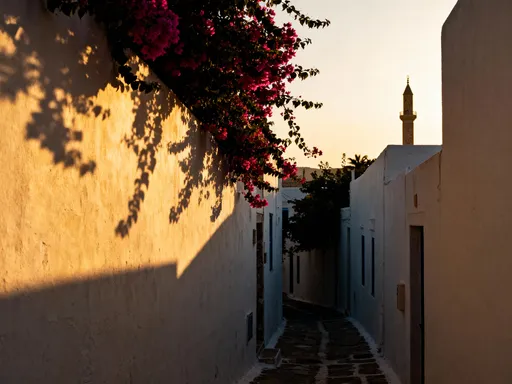
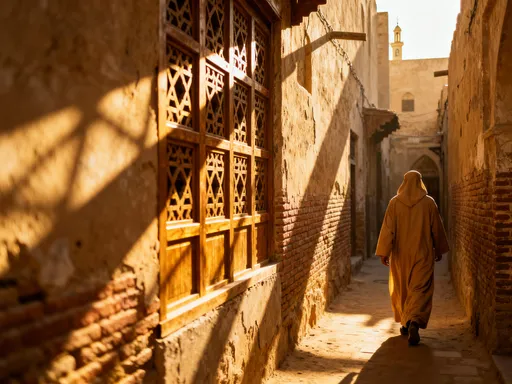
Dijon unfolds like a carefully restored masterpiece, where time has been kind but not careless. As you step into the historic center, the ochre-tinted buildings—crafted from Burgundy stone—glow in the soft morning light, their facades adorned with intricate carvings and wrought-iron balconies. The city’s architecture is a harmonious blend of Gothic, Renaissance, and classical influences, each structure contributing to an urban canvas that feels both grand and intimate. Unlike larger French cities that have surrendered to modernization, Dijon has preserved its soul, maintaining narrow pedestrian streets, hidden courtyards, and centuries-old passageways known as *les ruelles*. These alleyways, often no wider than a few feet, open unexpectedly into quiet squares where fountains trickle and ivy climbs stone walls like a living mural.
The atmosphere is one of quiet elegance. There’s no rush, no blaring horns—just the occasional chime of a bicycle bell and the murmur of locals greeting one another by name. Walking through Dijon feels like stepping into a Renaissance painting where every detail has been thoughtfully composed: the curve of a stairwell, the symmetry of a courtyard, the play of light across weathered stone. This visual harmony isn’t accidental; it’s the result of deliberate preservation and civic pride. The entire city center is classified as a protected historic site, ensuring that new developments respect the original architectural language. As a result, visitors experience continuity—a sense of walking through living history rather than a curated theme park.
What makes Dijon’s aesthetic so powerful is how it primes the senses for deeper exploration. The beauty of the city isn’t merely ornamental; it sets the stage for a multisensory journey. Just as a painter chooses the tone and texture of their canvas, Dijon establishes a mood of refinement and authenticity. It invites curiosity. You begin to notice not just the grand facades, but the small details: the pattern of roof tiles, the scent of baking bread drifting from a corner boulangerie, the sound of a street musician’s violin echoing off ancient walls. These subtle cues awaken the senses, preparing you for the culinary and cultural experiences that lie ahead. In Dijon, the city itself is the first course of a much larger feast.
The Art of Flavor: Why Dijon’s Cuisine Is Visual as Much as It Is Tasty
In Dijon, dining is never just about sustenance—it’s an aesthetic event. The region’s cuisine, deeply rooted in Burgundian tradition, treats food as a form of artistic expression. Every dish is composed with attention to balance, color, and texture, much like a still-life painting. A plate of *jambon persillé*—a terrine of ham set in aspic with parsley—is not merely a cold cut; it’s a mosaic of green and pink, chilled to a jewel-like clarity. A simple salad of frisée lettuce with lardons and a poached egg becomes a study in contrast: crisp, smoky, creamy, and tangy, all arranged with care on a rustic ceramic plate. Even the humblest bistro respects the visual dimension of food, understanding that the eye must be satisfied before the first bite.
This philosophy extends beyond the plate. In Dijon’s traditional bistros, the table setting is part of the experience. Linen napkins, hand-thrown pottery, and cutlery with just the right weight contribute to a sense of occasion. The pacing of the meal—multiple courses served slowly, with time to linger between them—echoes the rhythm of a well-composed symphony. There is no rush to clear the table or push diners out the door. Instead, service feels intuitive, almost choreographed, as if the staff are performers in a quiet theatrical production where food is the star.
The connection between art and cuisine is not merely metaphorical. Many chefs in Dijon describe their work using artistic language. One chef compared plating to sketching: “You begin with a blank canvas—the plate—and you build layers, just as a painter would.” Another spoke of flavor profiles as “color palettes,” where acidity might be a bright yellow, earthiness a deep brown, and sweetness a soft rose. This mindset transforms cooking from a technical skill into a creative act. It also explains why so many restaurants in Dijon feel more like galleries than dining rooms—each meal is a curated exhibition of regional identity, seasonality, and craftsmanship.
Markets as Masterpieces: Exploring Dijon’s Food Markets Like a Gallery
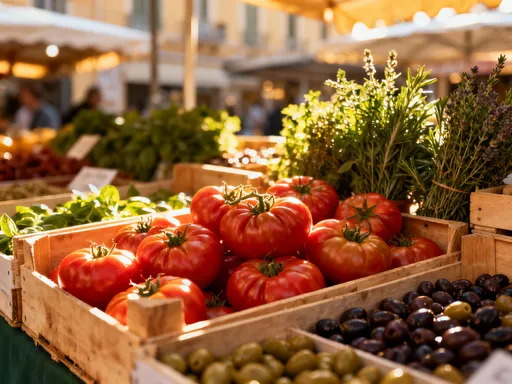
No experience in Dijon is more vivid than a morning spent at Les Halles François Mitterrand, the city’s renowned covered market. Housed in a striking glass and iron pavilion that dates back to the 19th century, the market is a cathedral of gastronomy, where light filters through the arched roof and illuminates rows of stalls like spotlights on stage. To walk through Les Halles is to step into a living still-life painting: wheels of cheese stacked like sculptures, pyramids of seasonal fruit glowing like jewels, and charcuterie displays arranged with the precision of a mosaic.
The sensory impact is immediate. The air is rich with the tang of aged Comté, the sweetness of ripe mirabelle plums, and the earthy perfume of morel mushrooms. Vendors stand proudly behind their counters, many of them third- or fourth-generation producers who treat their ingredients with reverence. A cheesemonger might describe the nuances of a washed-rind Epoisses as if discussing brushwork in a Rembrandt—“notice the bloom on the rind, the way it softens with age, the depth of flavor that builds slowly on the palate.” For these artisans, food is not a commodity; it is a medium of expression.
What sets Les Halles apart is the intimacy of the experience. Unlike impersonal supermarkets, this is a place of conversation and connection. A vendor might offer a taste of a new goat cheese, then pause to explain how the animals graze on wild herbs in the hills outside Dijon. A winemaker might pour a sample of a small-batch Pinot Noir and describe the microclimate of his vineyard with the precision of a cartographer. These interactions transform shopping into a form of cultural immersion. Visitors don’t just buy food—they collect stories, insights, and sensory memories that deepen their appreciation of Burgundy’s culinary heritage.
For families and home cooks, the market is both inspiring and accessible. Ingredients are labeled with origin information, and many vendors offer samples and cooking tips. A mother shopping for dinner might ask how to prepare a particular mushroom, and receive not just instructions, but a family recipe passed down through generations. This generosity of knowledge reflects a broader ethos in Dijon: that good food should be shared, understood, and celebrated. In a world increasingly dominated by fast consumption, Les Halles stands as a testament to the beauty of slowness, care, and craftsmanship.
From Vineyard to Table: The Terroir That Shapes Taste and Tradition
To understand Dijon’s cuisine, one must first understand *terroir*—the French concept that the unique combination of soil, climate, and topography imparts distinct characteristics to agricultural products. In Burgundy, this idea is not just a culinary theory; it is a way of life. The region’s wines, cheeses, and even grains are shaped by the land itself, creating flavors that cannot be replicated elsewhere. A Pinot Noir from a vineyard just outside Dijon will taste different from one grown fifty miles away, not because of the winemaker’s skill—though that matters—but because of the limestone-rich soil, the angle of the sun, and the rhythm of the seasons.
A visit to a small, family-run vineyard in the Côte de Nuits region offers a firsthand lesson in terroir. Here, rows of vines climb gentle slopes, their leaves rustling in the breeze. The owner, a fifth-generation vintner, walks the rows with the familiarity of someone tending a garden. He points to the soil—chalky and porous—and explains how it drains excess water while retaining warmth, creating ideal conditions for Pinot Noir. “The vine doesn’t just grow here,” he says. “It listens to the land. And the wine? It sings what the earth whispers.”
This deep connection between land and flavor extends beyond wine. The same limestone soil nourishes the grasses that cows graze on, influencing the taste of the milk used in Burgundy’s celebrated cheeses. The microclimates of different valleys affect the ripening of fruits used in jams, mustards, and desserts. Even the air carries traces of the past—ancient cellars, centuries-old cellars where wine ages in oak barrels, impart subtle aromas that linger in the atmosphere. In Dijon, food and wine are not just products; they are expressions of place, each bite and sip carrying the imprint of history and geography.
For visitors, this means that every meal is an opportunity to taste the landscape. A glass of local red wine isn’t just a beverage; it’s a liquid portrait of Burgundy. A dish of snails cooked in garlic butter and parsley reflects the forests and gardens where the ingredients were gathered. This awareness transforms eating into an act of discovery. It encourages mindfulness, inviting diners to slow down and consider not just how food tastes, but why it tastes that way. In a world of globalized flavors, Dijon offers something rare: authenticity rooted in place.
Cooking as Creation: Joining a Local Kitchen Workshop
One of the most rewarding ways to engage with Dijon’s culinary culture is through a hands-on cooking class. I joined a small workshop led by a local chef named Élodie, held in a restored 18th-century townhouse with a kitchen that opened onto a walled garden. The atmosphere was warm and welcoming, the kind of setting where strangers quickly become companions over shared tasks. We gathered around a large wooden table, aprons tied, as Élodie introduced the day’s menu: *boeuf bourguignon* and *gougères*, two Burgundian classics that embody the region’s love of rich flavors and careful technique.
What struck me immediately was how Élodie approached cooking not as a set of rigid instructions, but as a creative process. “Recipes are guides,” she said, “but your hands, your taste, your memory—those are what make the dish yours.” As we browned the beef, she encouraged us to listen to the sizzle, to watch for the right shade of caramelization. When we deglazed the pan with red wine, she reminded us to scrape up every bit of fond—the dark, flavorful crust at the bottom—because “that’s where the story begins.” Her language was poetic, but her methods were precise, reflecting a deep respect for tradition balanced with room for personal expression.
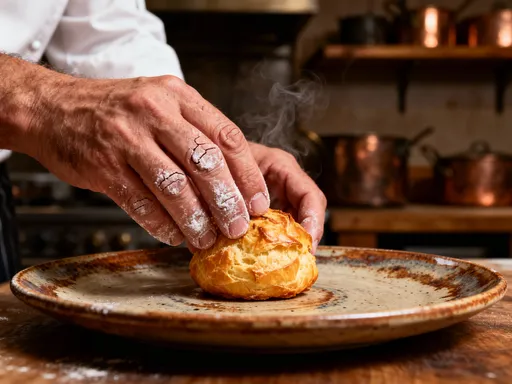
The preparation of *gougères*, airy cheese puffs made with Gruyère and choux pastry, was equally instructive. Élodie demonstrated the importance of timing and temperature, showing how the dough must be cooked just long enough to dry out before the eggs are added. “Too wet, and they won’t rise. Too dry, and they’ll crack,” she explained. As we piped the mixture onto baking sheets and watched the puffs swell in the oven, golden and fragrant, there was a sense of collective accomplishment. These weren’t just snacks; they were edible works of art, shaped by attention and care.
By the end of the class, we sat down to a meal we had created together, accompanied by a bottle of local wine. The *boeuf bourguignon* was deeply flavorful, the meat tender after hours of slow cooking, the sauce enriched with mushrooms and onions. As we ate, Élodie shared stories of her grandmother’s kitchen, where she first learned to cook. “Food keeps memory alive,” she said. “When I make this dish, I’m not just feeding people—I’m honoring those who came before me.” In that moment, the line between cooking and artistry blurred completely. We weren’t just eating; we were participating in a living tradition.
Hidden Eateries: Off-the-Beaten-Path Spots Where Food Becomes Performance
Beyond the well-known restaurants and bustling markets, Dijon harbors intimate dining experiences that feel more like private performances than ordinary meals. Tucked into medieval passageways or hidden behind unmarked doors, these small establishments offer a level of craftsmanship and personal attention that larger venues often cannot match. One evening, I followed a local’s recommendation to a tiny bistro called Le Petit Passiflore, accessible only through a narrow archway off Rue des Forges. Inside, the space was dimly lit, with just six tables and an open kitchen where the chef worked in near silence, plating each dish with meticulous care.
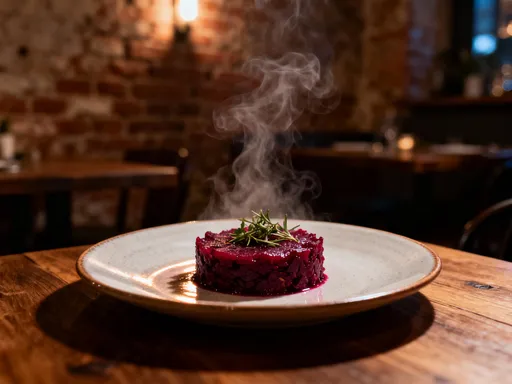
The meal unfolded like a carefully orchestrated piece of theater. It began with an amuse-bouche of foie gras mousse on a toasted brioche, served on a slate tile with a single edible flower. Each course followed with deliberate pacing—seared scallops with beetroot puree, then a slow-cooked egg yolk with black truffle, finished with a chocolate tart dusted with gold leaf. The flavors were bold yet balanced, the presentation elegant without being fussy. What made the experience unforgettable was the sense of intention behind every detail: the linen napkins folded into origami cranes, the water served in hand-blown glass, the chef’s quiet explanation of each dish as it arrived.
Service felt personal, almost familial. The sommelier, who also managed reservations and cleared tables, remembered regular guests by name and recommended pairings based on their past preferences. There was no script, no pretense—just a deep commitment to hospitality. This kind of dining isn’t about luxury in the traditional sense; it’s about authenticity, presence, and connection. It reminded me that food, at its best, is a form of storytelling. Each ingredient, each technique, each moment of service contributes to a narrative that unfolds over time.
These hidden eateries are not just restaurants; they are keepers of a tradition. They operate on a human scale, where the chef knows the farmer, the baker delivers bread by bicycle, and the wine list features small producers who work by hand. In an age of chain dining and digital menus, they offer a powerful alternative: a return to intimacy, to craftsmanship, to the belief that a meal can be transformative. For travelers seeking more than just a good dinner, these spaces provide a rare glimpse into the soul of Dijon.
The Fusion of Past and Palate: How Dijon Preserves Culture Through Cuisine
In Dijon, food is not just a source of pleasure; it is a vessel of cultural memory. The recipes passed down through generations—whether for *coq au vin*, *escargots de Bourgogne*, or homemade mustard—are more than instructions; they are heirlooms. Each dish carries the imprint of history, reflecting the agricultural cycles, seasonal rhythms, and social customs of Burgundy. To cook and eat these foods is to participate in a living tradition, one that connects the present to the past in a tangible way.
What is remarkable is how this heritage is being preserved not through rigid adherence to the past, but through thoughtful evolution. Young chefs in Dijon are reinterpreting classic dishes with modern techniques and global influences, yet they do so with deep respect for authenticity. A restaurant might serve *boeuf bourguignon* in a deconstructed form, with the beef as a tender cube, the sauce reduced to a glossy gel, and the mushrooms presented as a crisp tuile—but the flavors remain true to the original. This balance between innovation and tradition ensures that Burgundian cuisine stays vibrant, relevant, and deeply rooted.
Artisan producers play a crucial role in this cultural continuity. From mustard makers using stone mills to crush local seeds, to bakers fermenting sourdough with starters decades old, these craftspeople uphold standards that prioritize quality over speed. Their work is slow, deliberate, and often invisible to the casual observer—but it is essential. They are the guardians of flavor, ensuring that the tastes of Burgundy are not lost to mass production or industrial shortcuts.
For families and future generations, this preservation matters. It means children grow up knowing the taste of real butter, the smell of wood-fired bread, the sound of a cork popping from a bottle of local wine. It means that traditions are not frozen in museums but lived in kitchens, markets, and dining rooms. In protecting culinary culture, Dijon protects its identity. And in doing so, it offers a model for how communities everywhere can honor their heritage while embracing change.
A Feast for All Senses
Dijon is a city that teaches you to see, taste, and feel with greater awareness. It reveals that art is not confined to galleries—it lives in the swirl of mustard on a plate, the curve of a cobblestone street, the harmony of a well-composed meal. Here, flavor is not just sustenance; it is expression. Architecture is not just structure; it is atmosphere. Every experience, from a market visit to a quiet dinner, becomes an act of engagement with a culture that values beauty, balance, and authenticity.
To travel to Dijon is to be reminded that the most meaningful journeys are not measured in miles, but in moments of connection. It is in the warmth of a baker’s smile, the depth of a wine’s bouquet, the care with which a chef plates a dish. These are not luxuries; they are essentials of a life well lived. As you walk the quiet streets, pause at a fountain, or savor a bite of cheese beneath a vaulted market hall, you begin to understand: in Dijon, the ordinary is transformed into the extraordinary.
So let curiosity guide your path. Taste with attention. See food not just as fuel, but as a story, a craft, a celebration. In Dijon, every meal is a masterpiece waiting to be experienced—not just on the plate, but in the heart. This is a city where art and mustard meet, where tradition and innovation dance, and where the simplest moments can leave the deepest impressions. Come with an open mind, and you will leave with a fuller soul.